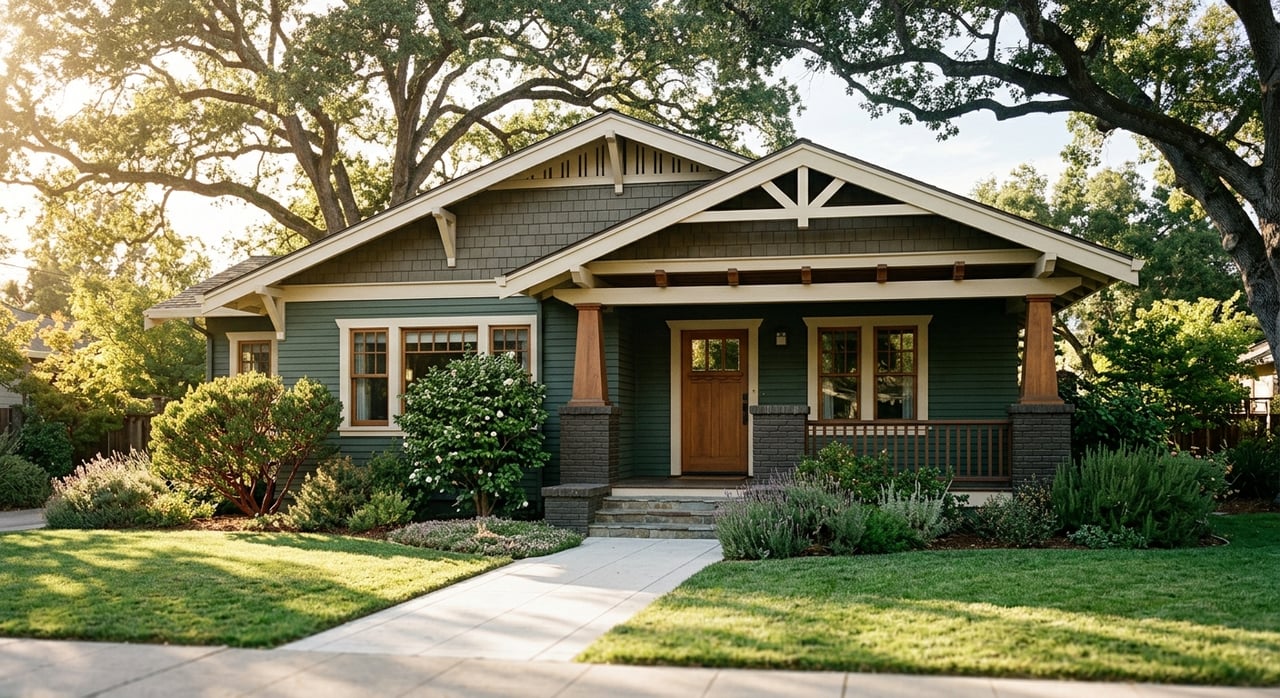
If you have ever driven through Land Park and thought, “Why does every block feel connected, yet every home feels a little different?” you are noticing one of the neighborhood’s biggest strengths. Land Park’s character comes from a mix of historic architecture, varied lot patterns, and mature tree-lined streets that shape how the homes look and live. If you are buying, selling, or simply trying to understand what makes this Sacramento neighborhood so distinctive, this guide will help you spot the architectural styles that define Land Park homes. Let’s dive in.
Land Park’s Character Starts With History
Land Park is the newest of Sacramento’s park neighborhoods, and much of its housing stock was built in the 1930s and the years leading up to World War II. The neighborhood began to take shape after park acreage was purchased in 1918, and residential development followed as larger parcels were divided into smaller tracts and sold to different builders.
That development pattern matters because it helped create variety from the start. Instead of one fully uniform subdivision, Land Park evolved as a park-centered residential district with multiple builders, custom homes, and changing tract layouts. Today, that layered history is a big reason the neighborhood feels cohesive without feeling repetitive.
The City’s planning documents also reinforce this identity. Greater Land Park remains strongly associated with detached homes, front yards, and mature street trees, with about 83% of the housing stock identified as single-unit residential in the City’s 2040 General Plan.
Period Revival Shapes the Land Park Look
If there is one broad architectural theme that defines Land Park, it is Period Revival. Local historical sources describe many of the neighborhood’s homes this way, especially in the areas developed during the 1930s.
Period Revival is not one single style. It is a family of styles inspired by earlier European and American architecture, often adapted for California living. In Land Park, that means you may see different labels from block to block, but many homes still share similar scale, materials, roof forms, and curb appeal.
Some of the most recognizable revival influences in Land Park include:
- Spanish Colonial
- Tudor
- Colonial
- Normandy French
- Cottage-scale storybook interpretations
What ties these homes together is the overall streetscape. Even when individual houses differ in style, they often relate well to each other through lot placement, front-yard setbacks, mature landscaping, and prewar proportions.
Spanish Colonial Homes in Land Park
Spanish Colonial homes are one of the signature looks in Land Park, especially in the College Tract near William Land Park. These homes help give the neighborhood some of its warm, California-friendly character.
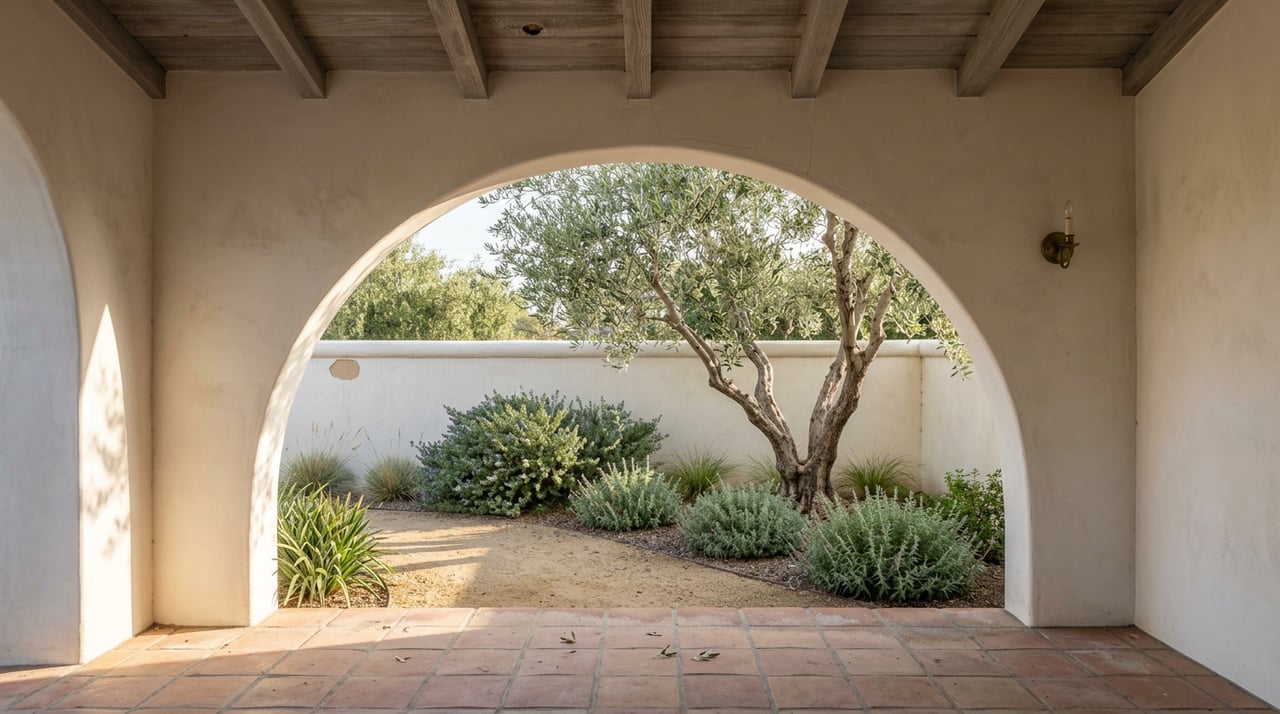
You will often notice features like stucco exteriors, low-pitched red tile roofs, arches, and decorative detailing. In practical terms, these homes tend to feel grounded, textured, and visually connected to the landscape.
For buyers, Spanish Colonial homes often stand out for charm and curb appeal. For sellers, these architectural details can be a major part of how your home is positioned and presented, especially when original features have been preserved.
Tudor Homes Add Storybook Appeal
Tudor homes are another major part of the Land Park identity. Local history specifically points to Tudor and storybook Tudor cottages as important elements of the neighborhood’s architectural character.
These homes often bring a more whimsical and romantic look to the streetscape. You may notice steeply pitched roofs, prominent chimneys, asymmetrical forms, and decorative details that give the home a handcrafted feel.
Some of Land Park’s best-known historic charm comes from this style. The storybook Tudor tradition, associated locally with designer Frank Williams, helps explain why certain homes in the neighborhood feel especially memorable and visually rich.
Custom Homes Create Variety
One of the reasons Land Park never feels overly rigid is the role of custom-designed owner-occupant homes. Historical sources identify custom houses as a major part of the College Tract’s identity, with designers including Dean and Dean, Arthur Widdowson, and Frank Williams.
That custom influence gives the neighborhood more personality than you might expect from a largely prewar housing stock. Rather than seeing the same home repeated over and over, you often find individual interpretation within a shared architectural language.
For you as a buyer, that means two homes with a similar price point or era may live very differently. For you as a seller, it means your home’s individual design story may be an important part of its market appeal.
Modernist Homes Add Eclectic Contrast
While Period Revival styles dominate, Land Park also includes more Modernist examples than Sacramento’s other park neighborhoods. That makes the neighborhood more eclectic than many people first assume.
Local historical sources point to large duplexes along Riverside Boulevard and some single-family homes in the College Tract as places where modernist and streamline ideas appear. In some cases, Deco-inspired details are layered onto otherwise revival-era homes.
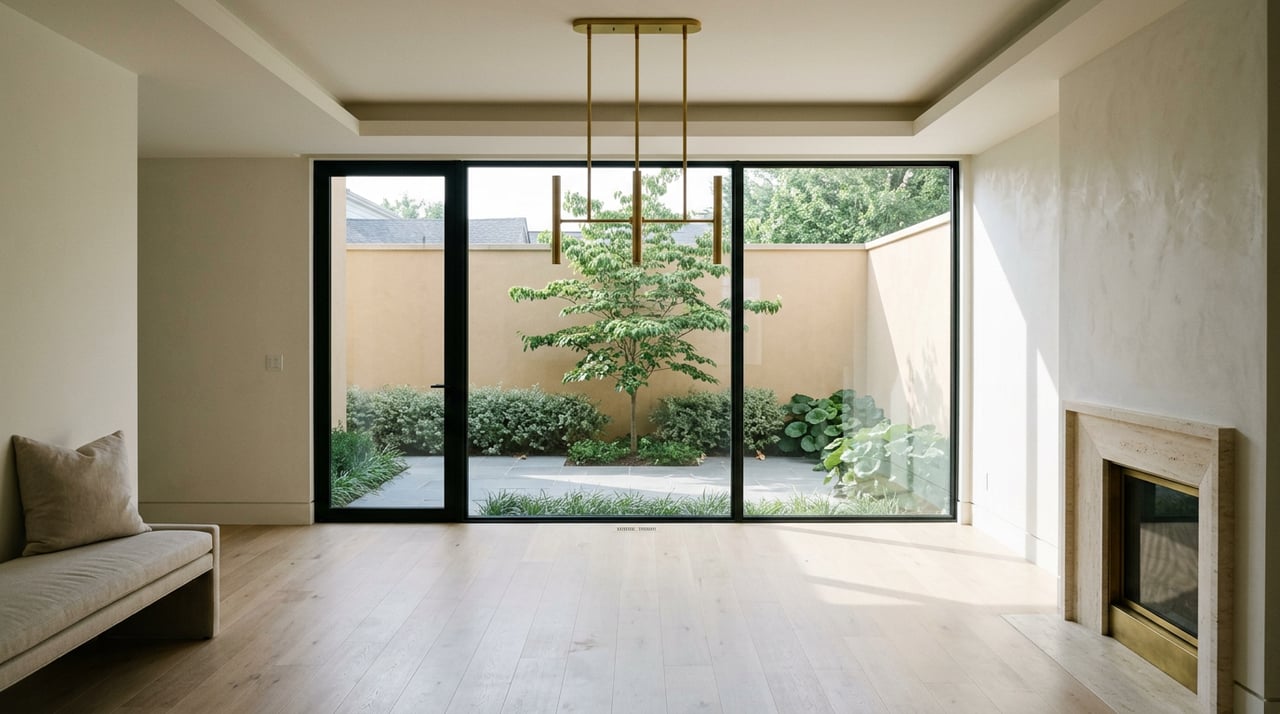
This contrast gives Land Park a broader architectural range. If you are drawn to clean lines or less traditional styling, you may still find homes here that break from the classic Tudor or Spanish Colonial look while remaining part of the neighborhood’s historic fabric.
Cottages and Bungalows Matter Too
Not every defining Land Park home is grand or highly stylized. Smaller cottages and bungalow-scale homes are also part of the neighborhood mix and help shape its approachable feel.
These homes are best understood as an important layer of Land Park rather than the single dominant form. Many blocks are known for smaller two- and three-bedroom homes, which supports the neighborhood’s balanced, lived-in character.
That range is part of what makes Land Park appealing to so many buyers. You can move from a more compact cottage-scale house on one street to a larger park-adjacent home on another, yet still feel a sense of continuity.
Lot Size Changes the Feel of Each Block
Architecture is only part of the story in Land Park. The neighborhood’s lot patterns, street design, and yard character are just as important in shaping how homes look and feel.
In the College Tract, the largest lots were closest to the park and arranged in concentric half circles. Less expensive lots to the south followed a more traditional grid, often with wider-than-average widths.
This helps explain why Land Park is not visually uniform. A house near the park, a home on a radial street, and a property on an interior grid block may all reflect the same broad prewar design language, but the sense of openness, front-yard depth, and overall scale can feel very different.
Tree Canopy and Streetscape Define Curb Appeal
Land Park’s architecture does not stand alone. The neighborhood’s early-planted boulevards and mature trees are a major part of the visual experience.
The tree canopy softens the streetscape and frames many of the homes, often arching over rooftops and roadways. That natural setting helps even modest homes feel more established and distinctive.
For sellers, this means curb appeal in Land Park is often about more than the façade alone. The relationship between the house, front yard, street trees, and block setting can strongly influence how buyers experience the property.
Park-Edge Homes and Interior Blocks Feel Different
Land Park includes a wide range of home experiences within the same neighborhood. Historical sources note that while the area is dominated by smaller homes, it is also known for more estate-like houses along park-facing areas such as 13th Street.
That variation matters when you are evaluating value, lifestyle fit, or marketing strategy. A larger lot near the park may attract attention for openness and presence, while an interior-block home may appeal for its classic neighborhood scale and prewar charm.
In other words, the architectural style of the house is important, but so is its exact setting. In Land Park, location within the neighborhood can shape character almost as much as the design itself.
Renovation Potential Is Part of the Appeal
Because Land Park has a large collection of older homes, renovation potential is a big part of its appeal. Historical sources note that many areas have experienced relatively little inappropriate remodeling, which suggests original architectural character still survives on many blocks.
That creates real opportunity if you appreciate historic charm but want updated livability. Recent local examples have shown thoughtful kitchen and bath updates, patio additions, and preservation of original windows or decorative details.
The most successful Land Park renovations tend to improve function without erasing what made the home special in the first place. Original scale, rooflines, and craftsmanship often remain central to the home’s value and appeal.
Historic Review Can Be Address-Specific
If you are considering changes to a Land Park property, it is important to remember that preservation review can depend on the exact address. Sacramento City Code requires historic district plans to identify significant features, describe predominant styles or periods, and set standards for judging whether a project is appropriate.
The City also instructs owners to check whether a property is inside a historic district and whether it is considered a contributing resource. In Greater Land Park, Sacramento City College and Sacramento City Cemetery are adopted historic districts, while other nearby areas have been surveyed for possible future designation.
The key takeaway is simple: renovation potential is real, but rules can be site-specific. Before planning major exterior changes, it is smart to confirm how the property is classified and what review may apply.
Why Architectural Style Matters When Buying or Selling
Understanding Land Park architecture can help you make better real estate decisions. As a buyer, it can help you identify which homes best match your preferences for layout, lot size, original detail, and renovation potential.
As a seller, it helps you understand what makes your home stand out. In a neighborhood like Land Park, style is not just a label. It is part of the story buyers respond to when they see a home with preserved details, a thoughtful setting, and a strong connection to the block around it.
If you want help understanding how a Land Park home’s style, condition, and location affect its value and market position, Pierre Daniel Viard can help you evaluate the details with a neighborhood-first perspective.
FAQs
What architectural styles are most common in Land Park, Sacramento?
- Land Park is best known for Period Revival homes, especially Spanish Colonial, Tudor, Colonial, Normandy French, and cottage-style interpretations.
Why do Land Park homes look different from block to block?
- Land Park developed through multiple tracts and builders rather than as one uniform subdivision, so lot sizes, street layouts, and home designs vary across the neighborhood.
Are Tudor homes important to Land Park’s identity?
- Yes. Tudor homes, including storybook Tudor cottages, are a notable part of the neighborhood’s historic character.
Are there Spanish-style homes in Land Park?
- Yes. Spanish Colonial homes are one of the signature architectural forms in Land Park, especially in the College Tract near William Land Park.
Do modern homes exist in Land Park?
- Yes. While historic revival styles dominate, Land Park also has modernist and streamline-influenced homes, especially along Riverside Boulevard and in parts of the College Tract.
Can you renovate a historic home in Land Park?
- Yes, many Land Park homes have strong renovation potential, but the level of review depends on the property’s exact address and whether it is in a historic district or is a contributing resource.
What makes Land Park curb appeal so distinctive?
- In addition to architecture, Land Park’s mature tree canopy, front yards, varied lot patterns, and park-centered streetscape all play a big role in the neighborhood’s visual appeal.