If you're getting ready to sell a ranch-style home in Carmichael, here's a question worth asking before the sign goes in the yard: does Sacramento County require a septic inspection before you close?
The answer is no. FindSeptic reports there's no ordinance on the books that forces it. But the absence of a county requirement does not rule out an inspection. The financing terms can determine whether one is needed.
What the County Actually Requires, and What It Doesn't
Sacramento County's Environmental Management Department runs the Liquid Waste Program, which oversees the design, construction, and installation of septic systems throughout the county. What it does not run is a point-of-sale inspection mandate. There's no local law that says a seller must produce a current septic evaluation before transferring title.
Mortgage lenders fill that gap on their own. FHA and VA loans, which cover a meaningful share of buyers in this price range, almost always require a septic inspection as a condition of funding. So the inspection still happens. It just happens during underwriting instead of before listing, which changes who's holding the risk when a problem turns up.
A standard inspection in Sacramento County runs $200 to $400 and typically includes tank pumping along with a system assessment. That's a manageable cost when a seller schedules it voluntarily, weeks before listing, with time to fix what needs fixing. It's a different conversation when it surfaces three weeks into escrow with a loan contingency deadline attached.
Why This Lands Differently in Carmichael Than in Newer Subdivisions
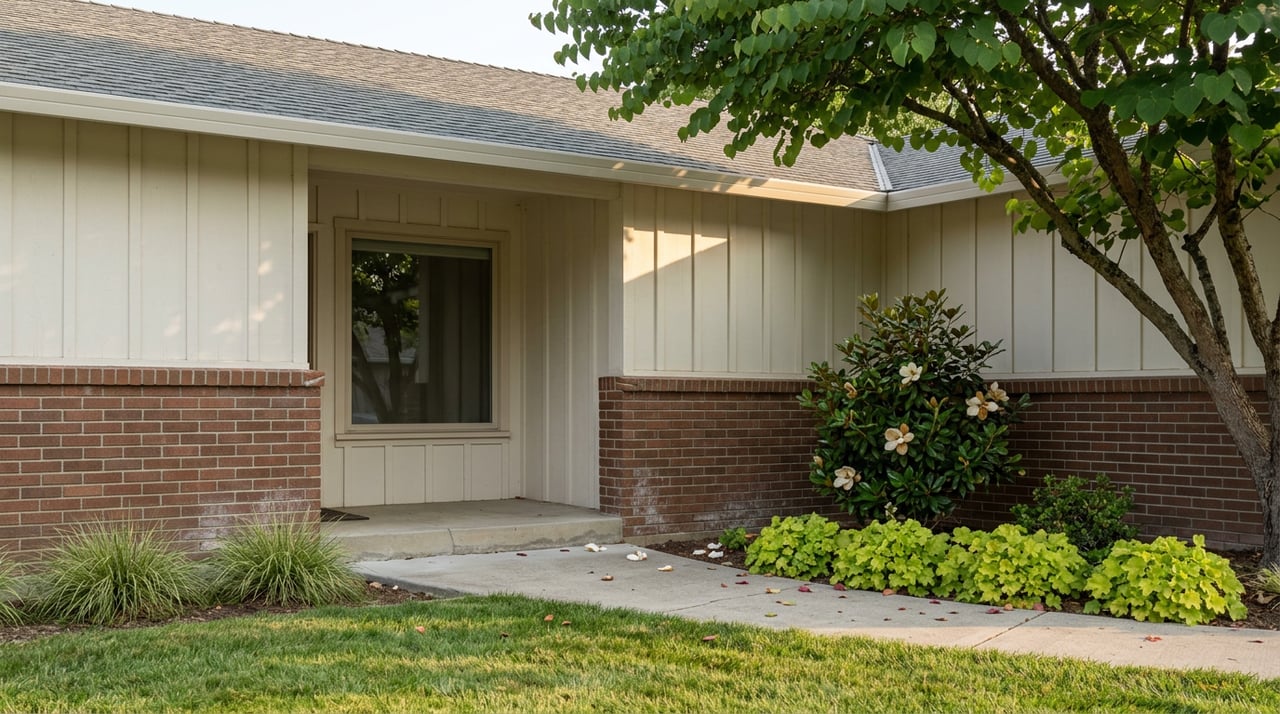
Carmichael's housing stock is dominated by single-story ranch homes built across the 1950s through the 1980s, most on quarter-acre or larger lots, in a community that has stayed unincorporated for its entire history. That unincorporated status matters here in a specific way: it means municipal sewer service didn't automatically follow the county line the way it might have inside city limits. A meaningful share of Carmichael's older parcels were built and plumbed for septic long before public sewer ever reached their street, and many still run on it today.
That's a different exposure than what you'd find in a newer Elk Grove tract or a McKinley Village townhome built to current code with sewer already in the ground. In Carmichael, the age of the system is often the age of the house, which means a system installed decades ago may predate the county's current permitting framework entirely.
Sewer Infrastructure Work in the Area
This isn't an abstract risk. The Sacramento Area Sewer District, known locally as SacSewer, has a project on its books called Creek Crossing Phase 2, and the project sites sit inside the unincorporated communities of Foothill Farms, Carmichael, and South Sacramento, along with the City of Citrus Heights. As of earlier this year, SacSewer listed construction as expected to begin in May 2026, which puts this work underway or newly finished by the time you're reading this.
The project involves realigning, replacing, and rehabilitating five sewer mainline segments. According to the environmental filing for the project, the work is needed because of degrading site conditions such as structural failure and support failure due to erosion, undermining, or exposure. In plain terms: the project addresses deteriorating sewer infrastructure serving this area.
This sewer project is separate from an inspection of a property's septic system. For a seller deciding whether to arrange a septic inspection, the relevant issue is the condition of the system serving that property.
What a Failing System Actually Costs
If an inspection turns up a system that needs replacement rather than a minor repair, the cost range in Sacramento County runs from about $6,500 for a basic gravity system in favorable sandy soils to more than $20,000 for an engineered mound or advanced treatment system. Where a given property lands in that range depends heavily on soil conditions, and Carmichael's clay-heavy soils don't do septic systems any favors. Clay absorbs slowly when dry and swells when wet, which shortens the working life of a leach field compared to sandier ground elsewhere in the county.
Sacramento County's own permitting process reflects how much geography matters here. The county divides the county into Standard areas, where a system can be designed without soil testing, and Test Drill areas, where soils testing is required before a new system or major repair can be permitted. A property that falls into a Test Drill area faces added time and cost that a Standard-area property down the road might not, which is exactly the kind of detail that only shows up once someone actually pulls the permit history or asks the right questions.
The Real Lever Is Timing
Here's the part that actually matters for a transaction: the risk in all of this isn't the septic system itself. It's when the condition of that system gets discovered relative to who has leverage at that moment.
| County Requirement | Lender Requirement | Practical Effect | |
|---|---|---|---|
| Septic inspection before sale | None | FHA/VA loans almost always require one | Discovery happens during underwriting, not before listing |
| New system permit | Depends on Standard vs. Test Drill area | N/A | Test Drill areas add time and testing cost |
| Repair of a failing system | Repairs can compress or blow past a closing timeline |
A seller who orders an inspection before listing controls the outcome. There's time to pump the tank, address a minor issue, or price the home with the system's condition already reflected. A seller who waits and lets the buyer's lender surface the same information three weeks into escrow is negotiating from a much weaker position, usually with a loan contingency deadline creating pressure to concede a credit or extend the closing date just to keep the deal alive.
Nothing about the county's lack of an ordinance changes that math. It just delays when the information arrives and hands the timing advantage to whoever discovers the problem first.
A Few Common Questions
How often should a septic tank in Carmichael be pumped? For a typical three-bedroom home with a 1,000-gallon tank, every three to four years is the general guidance for Sacramento County. Households with a garbage disposal or more than four residents are often advised to pump every two to three years given the added load.
What's the difference between a Standard area and a Test Drill area? It comes down to soil. Standard areas allow septic systems to be designed without soil testing. Test Drill areas require soil testing before a new system or a significant repair can be permitted, which adds both time and cost to the process.
Does having a septic system automatically hurt my home's value? Not on its own. A well-maintained system with a documented pumping history and a clean recent inspection is a very different story than one with an unknown service record. The condition, not the mere presence of the system, is what buyers and lenders are actually evaluating.
If you're weighing a sale in Carmichael and want to know what a septic system on your specific lot means for your timeline and your listing price, that's a conversation worth having before the sign goes up, not after an underwriter asks the question for you. Pierre Daniel Viard works this neighborhood block by block and can help you get ahead of it. Work with Pierre to request a neighborhood consultation.