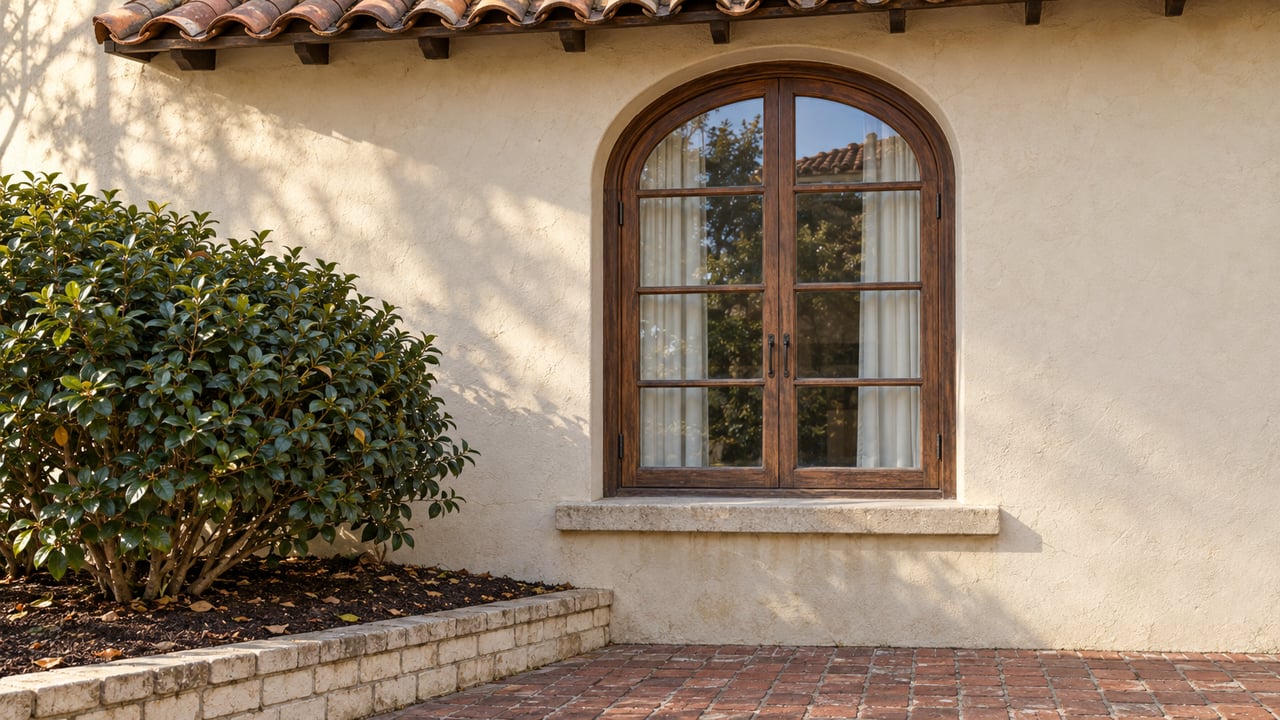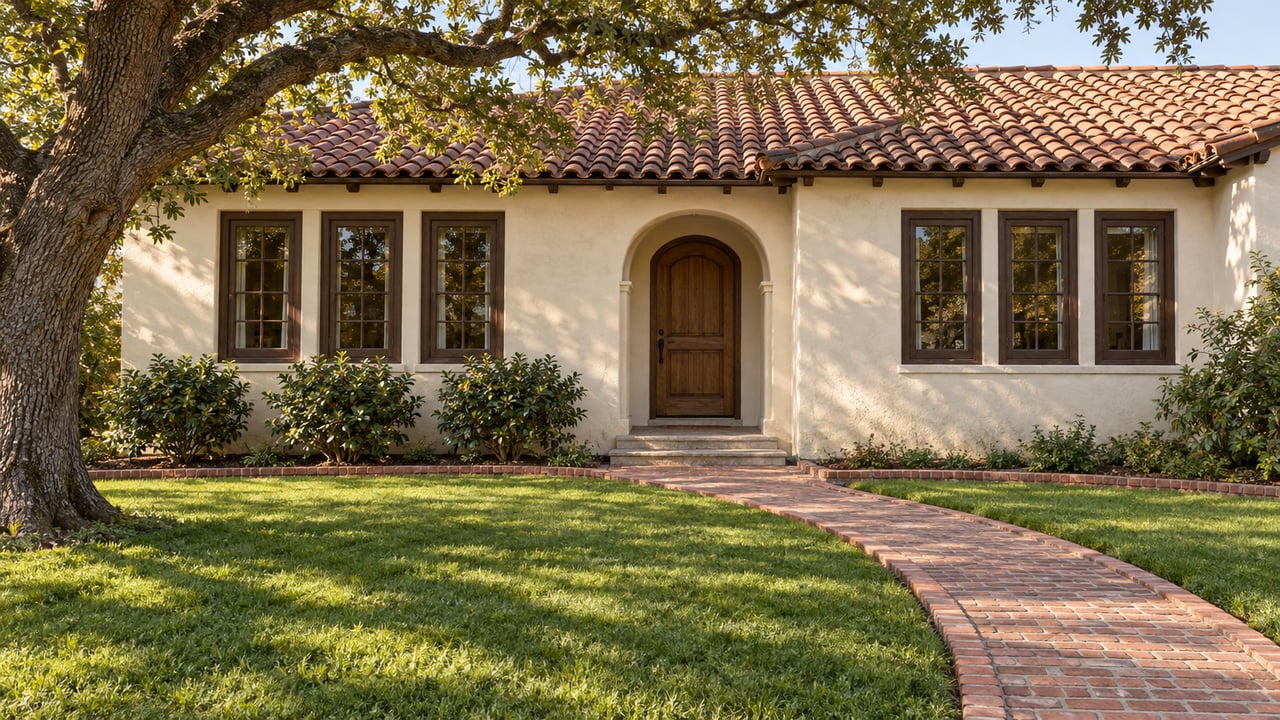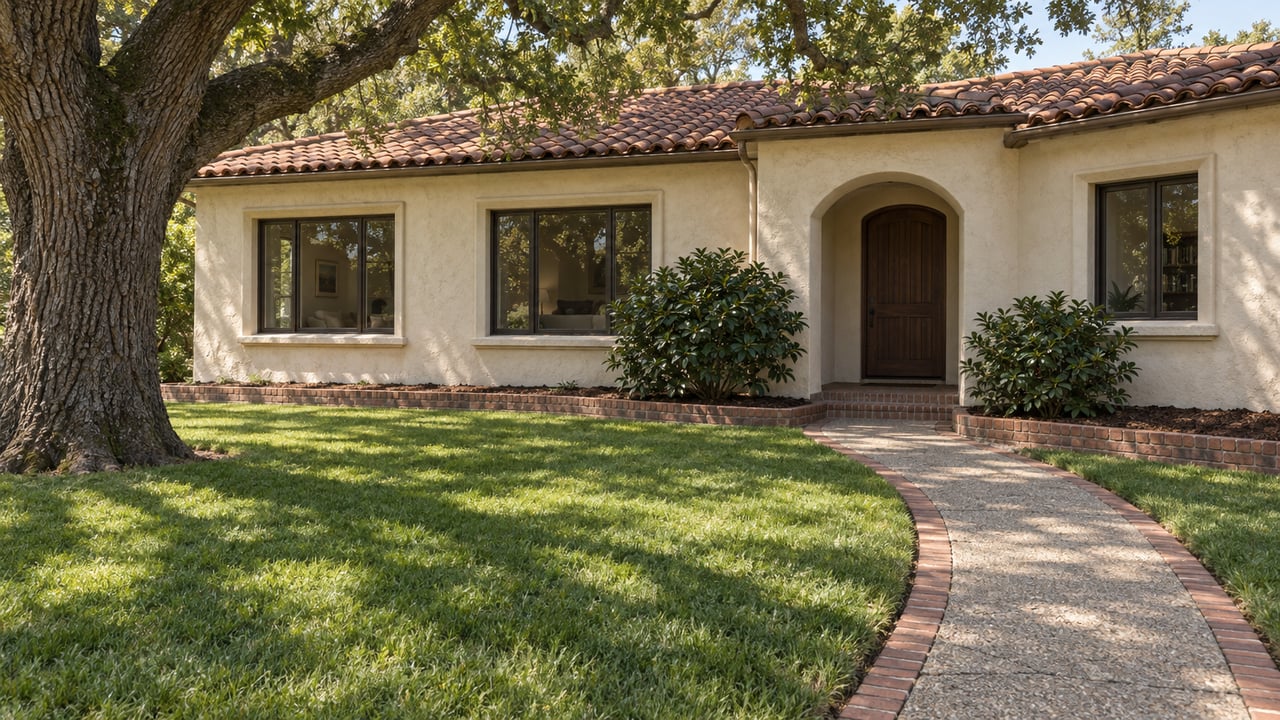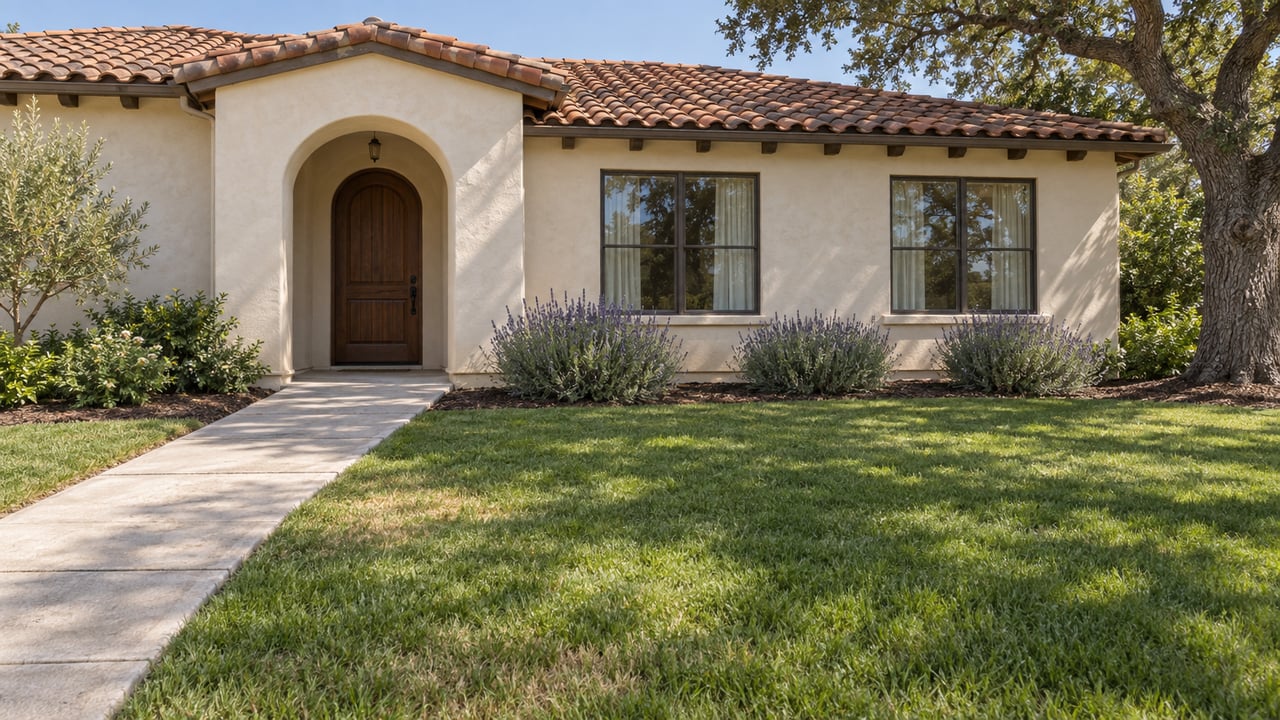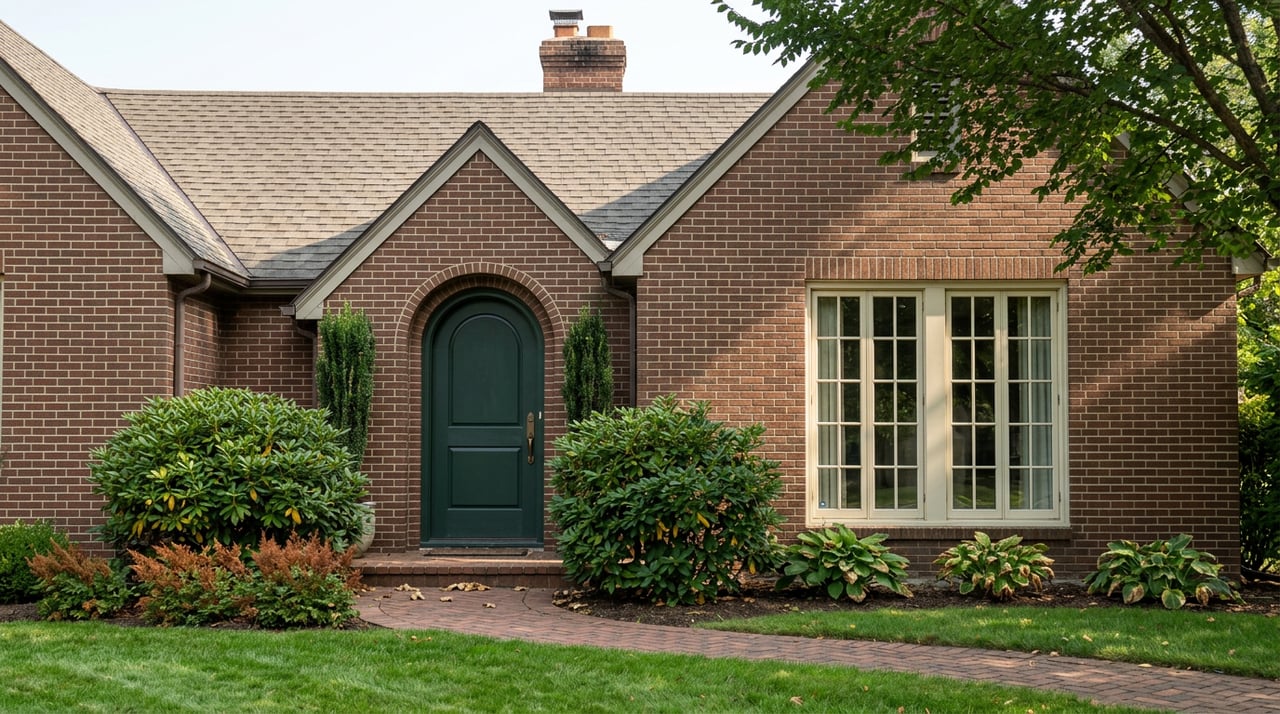
A house lists at $825,000 in McKinley Park. Three blocks over, in the same rose garden's walking radius, under the same canopy of century-old trees, a nearly identical Craftsman lists at $850,000. On paper the two homes look like siblings. To the buyers circling each one, they might as well be in different cities.
Whether a buyer's loan is conforming has nothing to do with square footage, lot size, or which street sounds more prestigious at a dinner party. It comes down to the loan amount relative to a number that has nothing to do with East Sacramento at all: $832,750, the 2026 conforming loan limit for a single-family home in Sacramento County, set annually by the Federal Housing Finance Agency. When the loan amount exceeds that limit, Fannie Mae or Freddie Mac can no longer purchase it as a conforming loan. It becomes a jumbo loan, and the financing terms may change.
That threshold doesn't run along a tidy border you can point to on a map. It cuts straight through East Sacramento's sub-neighborhoods, and understanding where it falls tells you more about how a given pocket actually trades than the neighborhood's name ever will.
Why $832,750 Isn't Just a Number on a Rate Sheet
Conforming loans exist because Fannie Mae and Freddie Mac will buy them from lenders, which frees up capital and keeps rates competitive. Stay under the county's limit and a buyer typically qualifies with a lower down payment, an easier debt-to-income ratio, and a faster underwriting path. Go over it, even by a dollar, and the loan drops into jumbo territory, held on the lender's own books instead of sold off, which means the lender sets its own rules.
For 2026, Sacramento County sits at the state's baseline conforming limit of $832,750 for a one-unit property, with the FHA limit set lower at $763,600. That baseline applies to most of the Central Valley and inland California. It's well below the high-cost ceiling of $1,249,125 that counties like Los Angeles and San Francisco carry, which is part of why Sacramento's version of this line feels so sharp. In a market where the region's own housing guides put East Sacramento's actual price range from roughly $525,000 to well into the multimillion-dollar range, a single loan-limit number does a lot of quiet work.
The Line Doesn't Match the Neighborhood Signs
East Sacramento isn't one market. It's five, and they sit at different distances from that $832,750 line.
| What's there | Typical price tier | Financing lean | |
|---|---|---|---|
| The Fab 40s | Tudor revivals, Mediterranean villas, and Colonials on the streets numbered roughly 38th through 49th, between J Street and Folsom Boulevard | Commonly $1 million to $3 million and up | Mostly jumbo |
| McKinley Park pocket | Craftsman bungalows, cottages, and updated mid-century homes ringing the 32-acre park | Most of the neighborhood's most approachable inventory | Mostly conforming |
| River Park | Quieter mid-century homes near the American River | Wide range | Split, leaning jumbo |
| East Portal | Smaller-scale, older homes | Entry-level for the neighborhood | Mostly conforming |
| McKinley Village | Newer construction built since the community opened to residents in 2016 | Mid-range | Mostly conforming |
Notice what that table actually shows. The Fab 40s and McKinley Village sit inside the same East Sacramento zip code and share the same Shepard Garden and Arts Center down the street, but they don't share a financing reality. A buyer touring both in the same afternoon is effectively shopping in two different lending markets, and most of them never realize it until their loan officer explains why one preapproval letter looks so different from the other.
What Actually Changes When a Buyer Needs Jumbo Financing
A home listed at $825,000 may attract buyers who can use conforming financing, depending on their down payments. At $850,000, some buyers may need a jumbo loan, while others could still qualify for conforming financing. Neither position is better. They're just different games, and a listing strategy that ignores the financing options available to buyers tends to underperform.
On the jumbo side, buyers are typically underwriting against a stricter set of expectations:
- Credit scores commonly need to clear 700, sometimes higher, before a lender will quote a competitive rate
- Down payments often land at 20 percent or more, though a growing number of programs now allow 5 to 10 percent for well-qualified borrowers
- Underwriting is done manually rather than through automated systems, which means deeper documentation of income, especially for self-employed buyers
- Post-closing cash reserves are frequently required, running around six months of mortgage payments on smaller jumbo loans and climbing to twelve months or more on larger ones, and lenders will count liquid savings, brokerage accounts, and retirement funds toward that total
None of this shows up on a listing sheet. It shows up in how long a jumbo buyer's offer takes to firm up, and in why a seller who's pricing a Fab 40s estate should expect a longer runway to close than a seller listing three blocks away in the McKinley Park pocket.
There's a second-order effect worth naming here too: appraisal gap conversations are worth having on offers that require loan amounts above the $832,750 threshold. A buyer who's ready to cover a gap out of pocket may be better prepared for an offer that requires jumbo financing.
Why Buyers Still Cross the Line on Purpose
None of this explains why anyone chooses the jumbo side voluntarily, and the honest answer is that the Fab 40s sell an experience the conforming side of East Sacramento simply doesn't have in the same concentration. The streets numbered through the 40s carry the neighborhood's deepest architectural bench, its widest lots, and its century-old tree canopy at full maturity. Every December those same blocks put on a holiday lights display that pulls visitors from across the region, and the annual East Sac Garden Tour draws a similar crowd in the other direction each spring. Local history adds its own texture: one of the neighborhood's houses appears in the film Lady Bird, and lore has long placed Governor Ronald Reagan's family in a rented home on 45th Street during his years in Sacramento before he moved on to the presidency.
That's the trade a jumbo buyer is actually making. They're accepting the reserve requirements and the manual underwriting in exchange for a specific, dense concentration of the things that make East Sacramento worth the premium in the first place. Buyers on the conforming side of the line, in McKinley Park, East Portal, and most of McKinley Village, are getting a genuinely different version of the same neighborhood: walkable, well-built, close to the park, but without the estate-scale lots and the multimillion-dollar price tags that come with them.
What This Means If You're Pricing or Shopping Right Now
If you're selling near $832,750, consider comparable sales as well as how buyers' down payments could affect their loan amounts. A $829,000 versus $839,000 list price can affect the loan amount buyers need, but it does not by itself determine whether their loans are conforming or jumbo.
If you're buying, the loan limit is worth knowing before you fall for a house. A preapproval that assumes conforming financing can fall apart if the loan amount exceeds the limit, and the reserve requirements on the other side of it are the kind of detail that's much easier to plan for before you write an offer than to discover in escrow.
Have questions about how the loan limit line runs through a specific East Sacramento block?
Does the conforming loan limit change every year? Yes. The Federal Housing Finance Agency reviews it annually based on national home price trends, and Sacramento County's limit has moved higher every year since 2019.
What if my loan amount lands just a few thousand dollars over the limit? Even a dollar over the conforming limit puts the loan into jumbo underwriting. Some buyers put a bit more down specifically to land back under the line and keep the easier qualification path.
Does the limit apply to the purchase price or the loan amount? The loan amount. A buyer putting a larger down payment on a $900,000 home could still end up with a conforming loan if the amount they're actually financing falls under $832,750.
Whether you're pricing a Fab 40s estate or shopping the McKinley Park pocket, the financing math is worth working through before the offer, not during it. Pierre Daniel Viard has spent years reading East Sacramento block by block. Work with Pierre — request a neighborhood consultation and find out exactly where your next move falls on the line.
This article is general information, not legal, tax or financial advice. Consult a qualified professional about your situation.