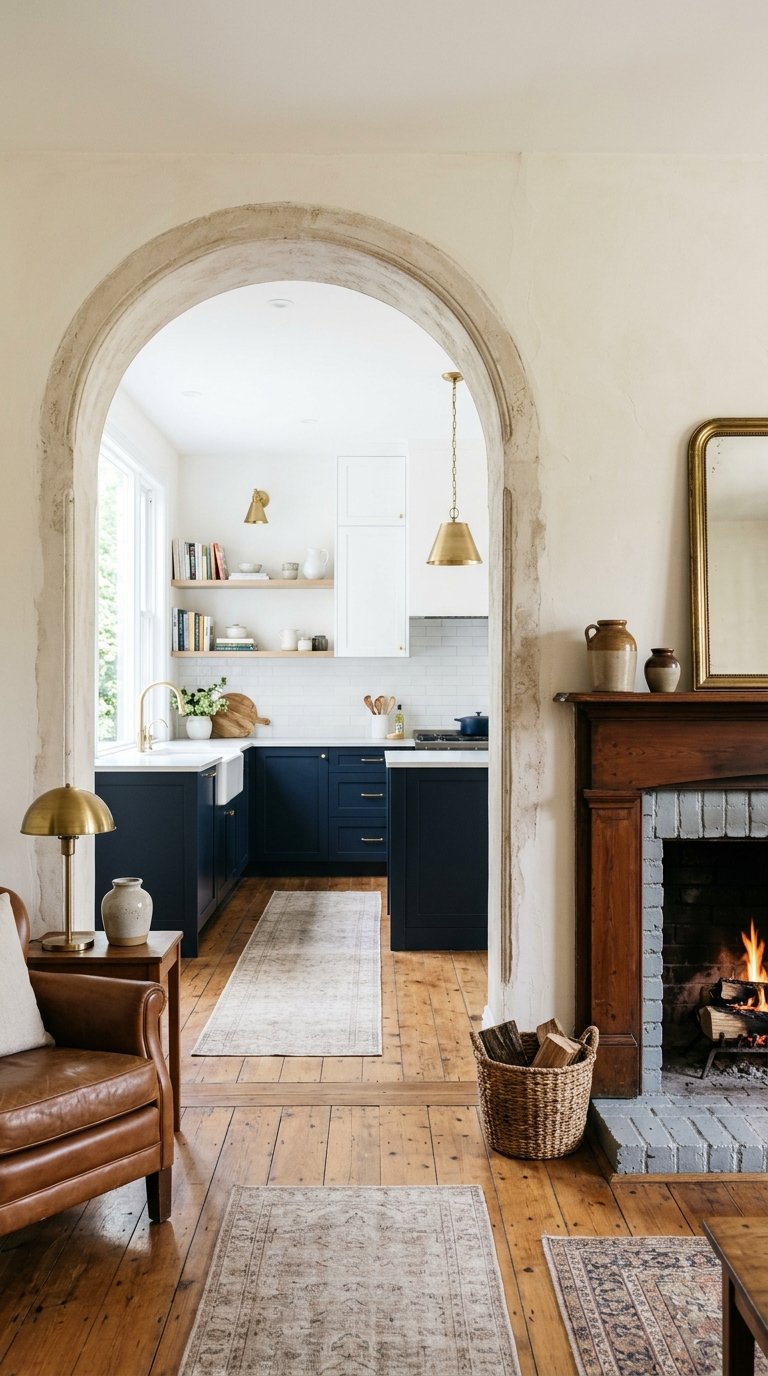
Wondering whether a classic East Sacramento home or a newer modern property is the better fit for your life? You are not alone. In a neighborhood known for historic charm, newer infill, and a fast-moving market, the right choice often comes down to how you want to live, what you want to maintain, and how you want your budget to work over time. This guide will help you compare the tradeoffs clearly so you can move forward with more confidence. Let’s dive in.
East Sacramento Housing Basics
East Sacramento has deep roots as a streetcar-era neighborhood. The City of Sacramento says much of the area began developing in the 1890s, with traditional neighborhoods east of Alhambra Boulevard connected to Downtown by streetcar lines.
Today, East Sacramento is still mostly built out, with most residential development in traditional single-family neighborhoods. The city also notes that redevelopment and infill are happening primarily around Gold Line light rail stations, especially near 65th Street and University Village.
That mix gives you two very different paths as a buyer. You may find an older home with original character on one block, then see a newer infill home or attached townhome option in another part of the neighborhood.
East Sacramento also offers a strong outdoor and neighborhood identity. The community plan highlights parks and open spaces including McKinley Park, Glenbrook Park, East Portal Park, and River Park, which add to the area’s everyday appeal.
East Sacramento Market Pace
If you are shopping in East Sacramento, price and timing matter. Recent market snapshots place the neighborhood in the high-$700,000s, though the exact figure varies by source and methodology.
Redfin reported a three-month median sale price of $764,243 in May 2026, while Zillow estimated a typical home value of $791,583 as of May 31, 2026. Realtor.com reported a median listing price around $799,250 and a median of 26 days on market in March 2026.
Taken together, those numbers point to a competitive market. That means it helps to know your priorities before you start touring homes, especially when deciding between classic character and modern convenience.
What Defines A Classic Home
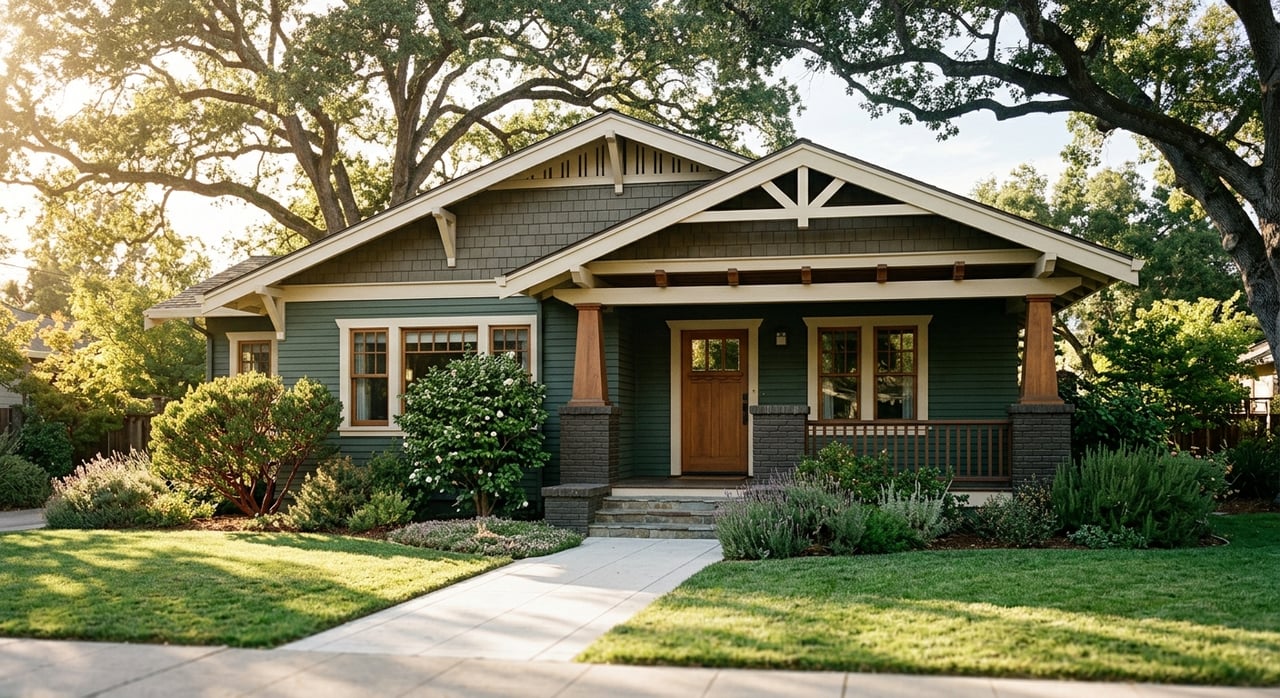
Classic East Sacramento homes are closely tied to the neighborhood’s early development. The City of Sacramento’s historic context says that by the early twentieth century, new neighborhoods featured homes in Craftsman and Prairie styles, often set in landscaped, parklike settings.
The city also notes a pattern where larger homes lined major east-west streets, while more modestly sized houses were often located on numbered streets. In practical terms, that means the older housing stock can feel varied from block to block.
If you are drawn to original trim, established architecture, and a home that feels distinct from the next one over, a classic East Sacramento property may be the better match. These homes often offer personality that is hard to duplicate in newer construction.
What To Expect In Older Homes
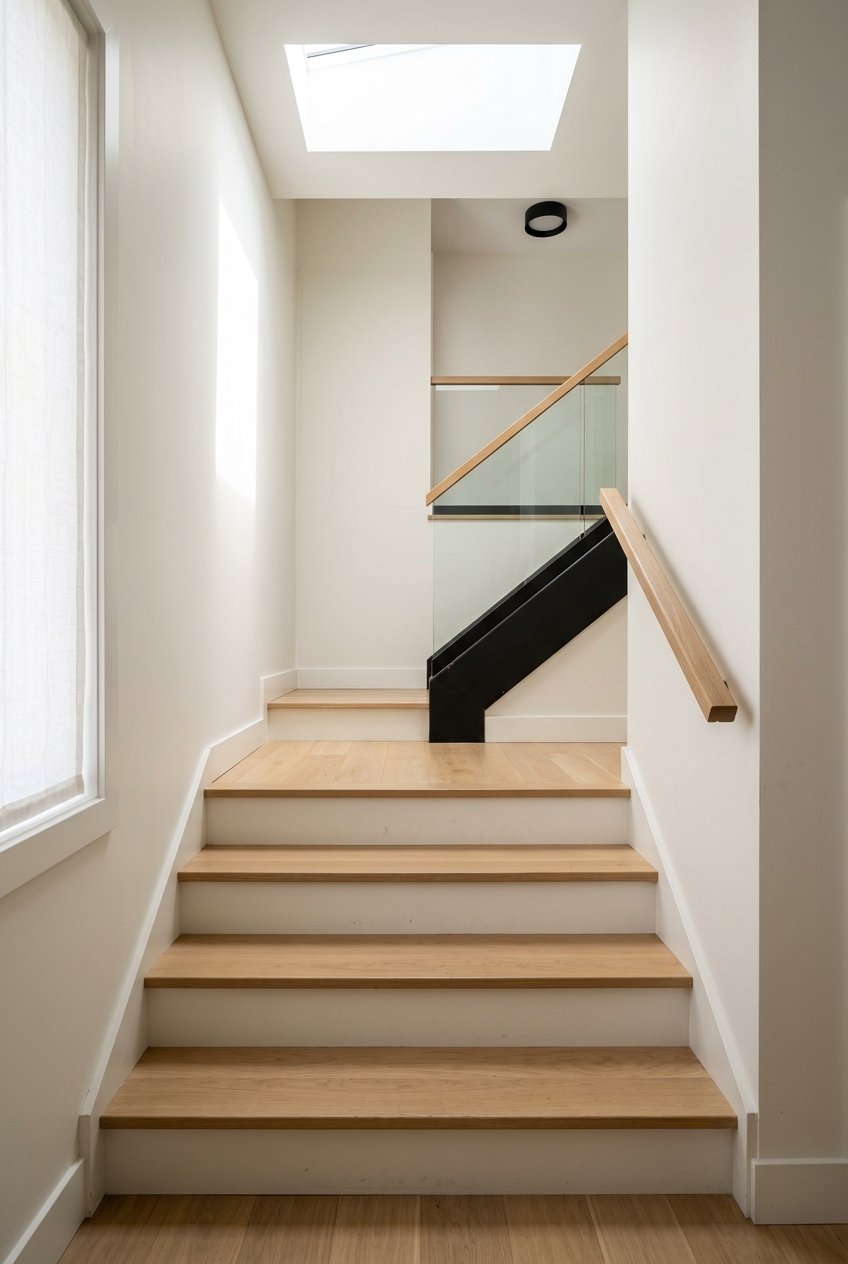
Older homes can bring a different layout and a different ownership experience. Based on the era of construction and the city’s description of modestly sized homes, many classic East Sacramento homes may feel less open-concept than newer properties.
That is not a rule for every house, but it is a useful expectation. You may find more defined rooms, smaller original footprints, and a layout that reflects how homes were built in an earlier era.
For some buyers, that is a plus. If you like the idea of living in a home with character and updating it over time, an older East Sacramento property can offer that opportunity.
The Tradeoff With Classic Homes
The main tradeoff is usually maintenance. Older homes often need more attention, whether that means systems, insulation, windows, or future renovation planning.
The Department of Energy notes that many older homes have less insulation than homes built today. That means some East Sacramento homes may benefit from air sealing and insulation work to improve comfort and reduce energy use.
If a home was built before 1978, lead-based paint is another important consideration. The EPA says homes from that period are more likely to contain lead-based paint, and renovation activities like sanding, cutting, and window replacement can create hazardous dust.
Historic Rules Matter
Before you fall in love with a renovation project, it is smart to check whether the property is in a historic district. The City of Sacramento says buyers should confirm whether an address is in a historic district and whether the property is considered a contributing resource.
That can affect what changes are easier to make and what approvals may be needed. Historic district plans include historic context, character-defining features, and design standards and criteria.
If you are thinking about an addition, ADU, or major exterior change, start your research early. The city says projects in historic districts or on landmark properties must complement historic features, and noncompliant projects may go through Site Plan and Design Review.
What Defines A Modern Home
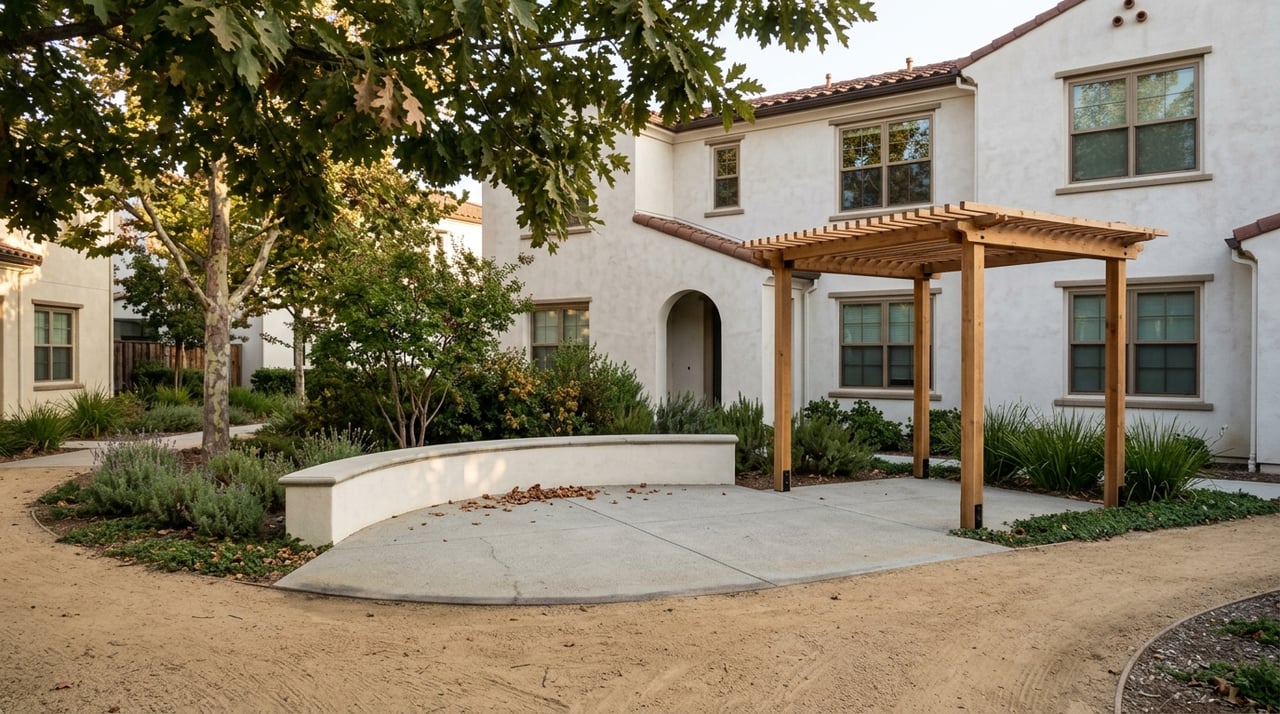
Modern options in East Sacramento are often tied to infill development and townhome living. The city’s community plan says redevelopment and infill are beginning to occur primarily around light rail station areas, especially near 65th Street and University Village.
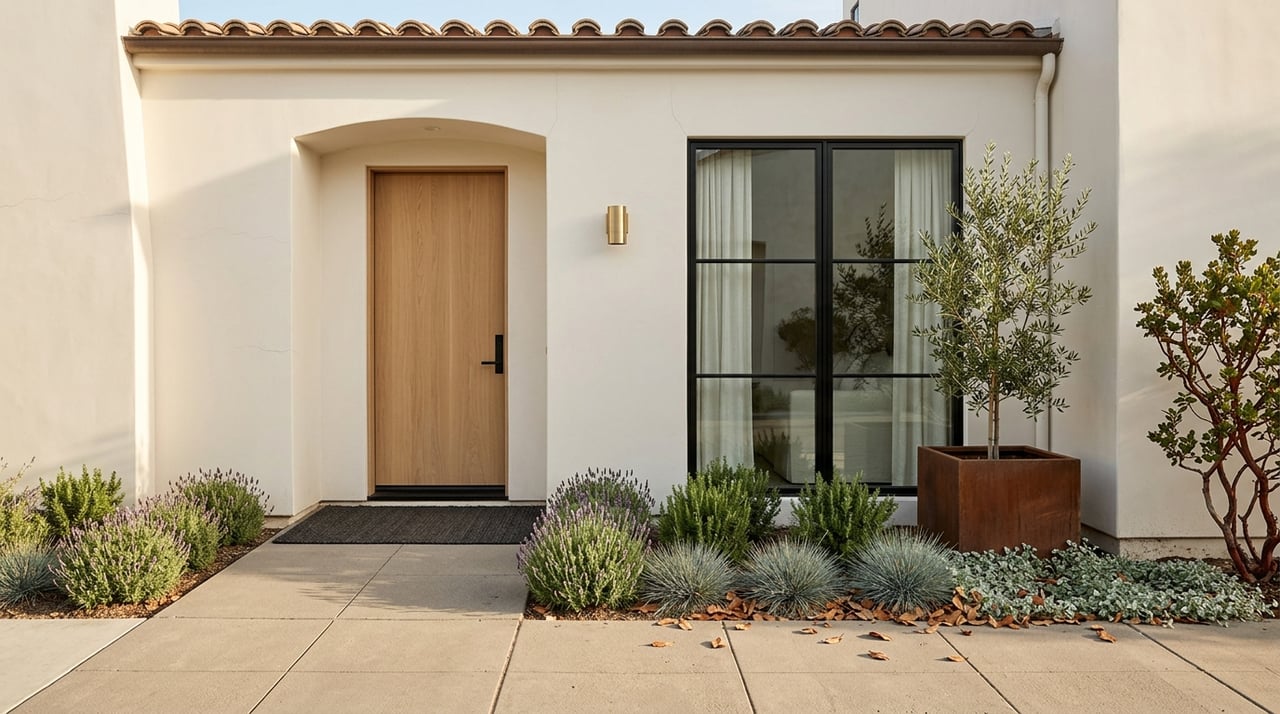
These homes can appeal to buyers who want a more current floor plan, newer systems, and a simpler day-one experience. In many cases, they offer a more turnkey path than an older property.
For buyers focused on convenience, that can be a big advantage. You may spend less time planning immediate upgrades and more time settling into the home.
Why Newer Homes Appeal
Energy performance is one of the biggest draws. The Department of Energy says certified new homes are built to a higher standard that emphasizes energy savings, comfort, health, and durability.
That does not mean every newer home is identical, but it does suggest a more predictable ownership experience in areas like insulation, efficiency, and overall building performance. For many buyers, that supports a cleaner monthly budget.
Newer homes also tend to fit modern preferences more easily. If you want more of a move-in-ready feel, modern infill may align better with your goals.
Townhome Living In East Sacramento
Some modern East Sacramento options may be townhomes. Fannie Mae describes a townhome as typically a two- or three-level home attached to a similar home by a shared wall.
That shared-wall setup is one of the biggest lifestyle differences compared with a detached classic house. It can come with less exterior responsibility, but it may also bring more community rules and a different sense of privacy.
Townhome, condo, co-op, and planned development owners may also be subject to HOA rules. That is why it is important to understand not only the home itself, but also the structure of ownership.
HOA Costs And Rules
If you are comparing classic and modern homes, be sure to look beyond the purchase price. HOA dues can materially affect monthly affordability.
The CFPB says HOA dues are usually paid separately from the mortgage and can range from a few hundred dollars a month to more than $1,000 a month. Fannie Mae also notes that owners in certain property types may be subject to HOA rules.
For some buyers, that tradeoff is worth it for a more predictable maintenance setup. For others, the added dues and rules make a detached older home more appealing.
Compare Total Cost Of Ownership
In East Sacramento, the better value is not always the lower sticker price. The more useful question is what the home will cost you to own month after month and year after year.
Fannie Mae notes that non-mortgage housing costs such as real estate taxes, insurance, utilities, routine maintenance, and HOA or condo fees can materially affect affordability. The CFPB also says HOA dues are usually not included in the mortgage payment.
A classic home may come with more maintenance and upgrade planning. A modern home or townhome may come with HOA dues but fewer immediate retrofit issues. Looking at both paths through the lens of total ownership cost usually leads to a smarter decision.
Which Home Fits Your Lifestyle
If you value architectural character, original details, and the chance to personalize over time, a classic East Sacramento home may be the stronger fit. These homes often offer individuality and a sense of history that many buyers love.
If you prefer more predictable upkeep, stronger energy performance, and a more turnkey move, newer infill or a modern townhome may fit better. That can be especially appealing if you want fewer projects right after closing.
Neither option is automatically better. The right choice depends on how you balance charm, maintenance, layout, monthly costs, and long-term plans.
Smart Steps Before You Buy
No matter which direction you lean, a few practical steps can protect your budget and reduce surprises.
The CFPB recommends scheduling an independent home inspection as soon as possible so there is time to resolve problems. Depending on your contract terms, buyers may be able to negotiate repairs or cancel if issues arise.
For older homes, pay close attention to renovation planning and age-related conditions. If the home is pre-1978 and you expect to do repairs or upgrades, the EPA recommends using a lead-safe certified contractor for renovation, repair, or painting work.
It also helps to review whether the property sits in a historic district before making assumptions about future changes. That one step can save time and clarify what is realistic for the home.
If you want help comparing East Sacramento homes block by block, price point by price point, and lifestyle by lifestyle, Pierre Daniel Viard offers neighborhood-focused guidance built around clear communication, local market insight, and a personalized approach.
FAQs
What is the main difference between classic and modern homes in East Sacramento?
- Classic East Sacramento homes are generally older and tied to the neighborhood’s early development, while modern homes are more often newer infill or townhome properties with updated systems and more turnkey appeal.
Are older East Sacramento homes more expensive to maintain?
- They can be, because older homes may need more work related to insulation, systems, repairs, or renovation planning over time.
Do modern East Sacramento townhomes usually have HOA fees?
- Many attached property types may include HOA rules and dues, so you should review the monthly cost and community requirements before making an offer.
Should you check historic district status before buying in East Sacramento?
- Yes. The City of Sacramento says buyers should check whether a property is in a historic district and whether it is a contributing resource, since that can affect future exterior changes or additions.
Is East Sacramento a competitive market for buyers?
- Recent pricing and market-time data suggest that East Sacramento remains competitive, with home values in the high-$700,000s and homes moving relatively quickly.
What should buyers do before purchasing an older East Sacramento home?
- Schedule an independent home inspection early, review renovation needs carefully, and if the home is pre-1978, plan for lead-safe practices if future work is needed.