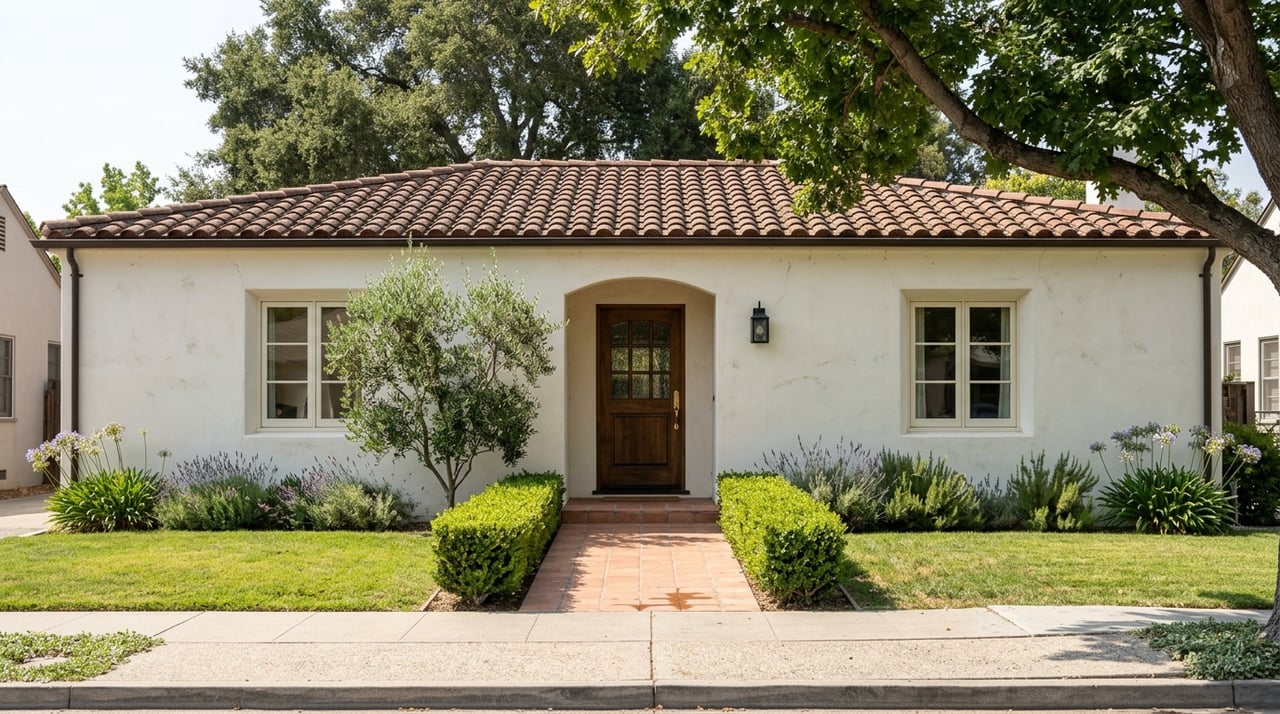
Thinking about buying in Land Park? It is easy to see the appeal, but it is just as important to understand what you are stepping into before you write an offer. If you want charm, established streets, and a central Sacramento location, Land Park can deliver, but the market is tight and many homes come with the realities of older construction. This guide will help you understand pricing, competition, housing types, and the due diligence that matters most so you can move forward with more clarity. Let’s dive in.
Land Park market basics
Land Park is one of Sacramento’s older established neighborhoods, with roots that go back more than a century. The City of Sacramento notes the area was annexed in 1911, and much of its residential identity took shape after development around William Land Park in the 1920s.
That history is part of the neighborhood’s appeal, but it also shapes what you will find on the market today. Much of the core area reflects pre World War II development patterns, with some later suburban-style development south of Sutterville and west of Freeport.
Recent market snapshots point to the same conclusion: Land Park remains competitive. Redfin reported a March 2026 median sale price of $785,000, median days on market of 29, and a very competitive score of 86, while Realtor.com and Zillow also showed limited active inventory and pricing that stays elevated.
In practical terms, that means you should expect a market where well-positioned homes can attract strong interest quickly. Some homes receive multiple offers, and near-asking sale-to-list ratios suggest buyers often need to act with purpose.
What homes cost in Land Park
One of the biggest mistakes buyers make is assuming every Land Park home fits the same budget range. In reality, pricing can vary a lot depending on size, condition, updates, and whether the property is detached or attached.
Based on current market snapshots, smaller older single-family homes are often in roughly the mid-$500,000s to mid-$600,000s. Renovated 2- to 3-bedroom homes tend to land more in the $740,000 to $800,000 range.
Larger, more updated, or less common newer infill homes can push into the $850,000 to $900,000 range and higher. Attached homes and condos in the broader Land Park area can start in the low $300,000s and reach into the low $500,000s, though inventory in the core neighborhood is limited.
Here is a simple way to think about it:
| Home type | Rough price range |
|---|---|
| Smaller older single-family homes | Mid-$500,000s to mid-$600,000s |
| Renovated 2- to 3-bedroom homes | $740,000 to $800,000 |
| Larger updated or newer infill homes | $850,000 to $900,000+ |
| Attached homes in broader area | Low-$300,000s to low-$500,000s |
These are not fixed rules, but they are useful planning ranges before you tour homes or set your ceiling.
What housing stock to expect
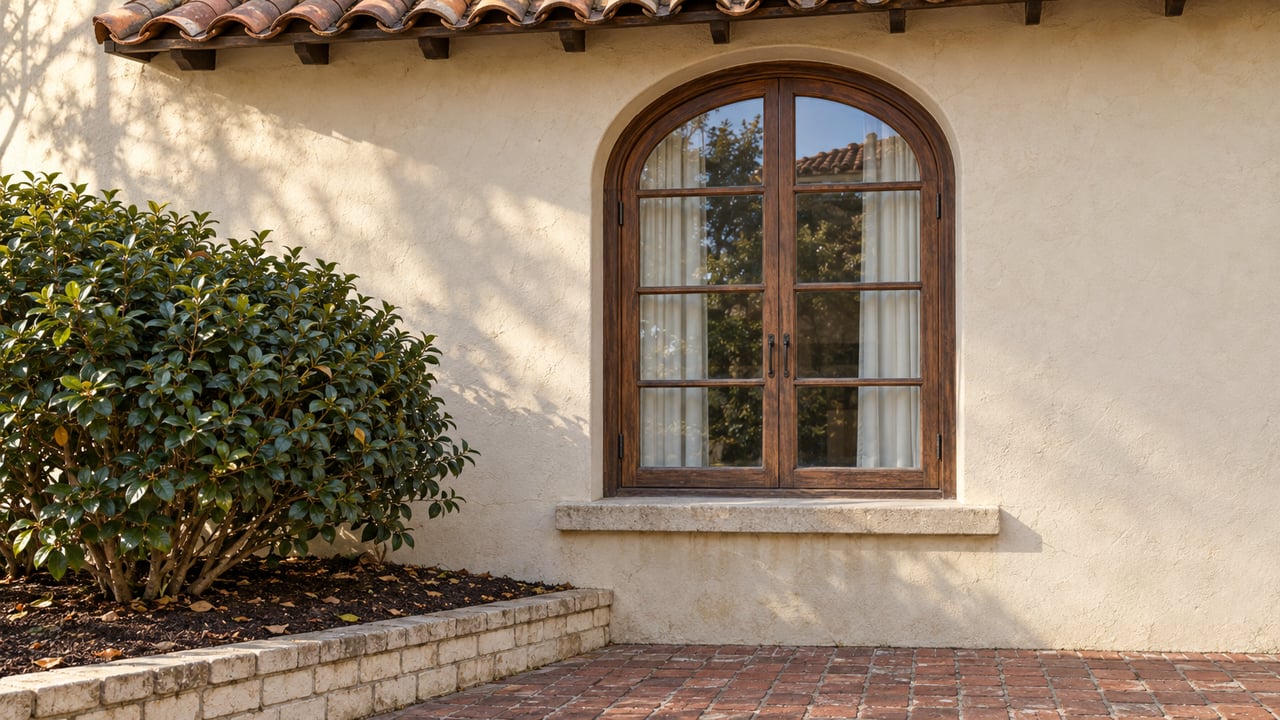
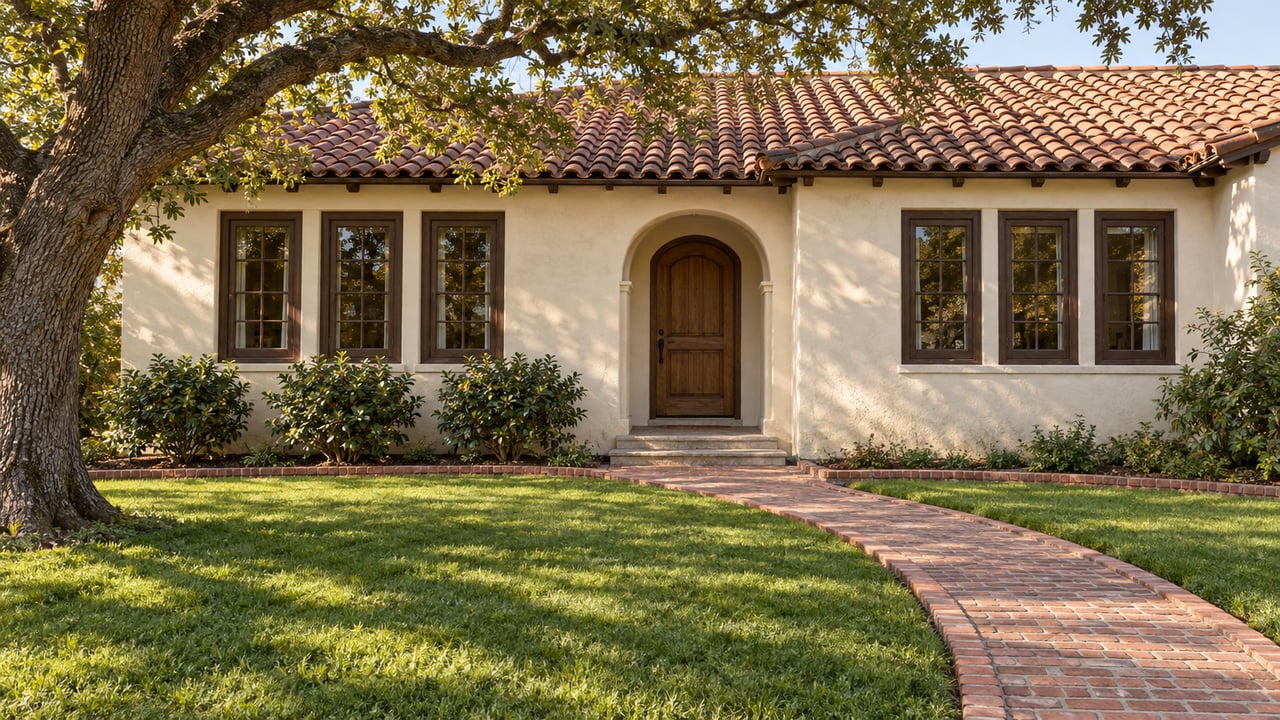
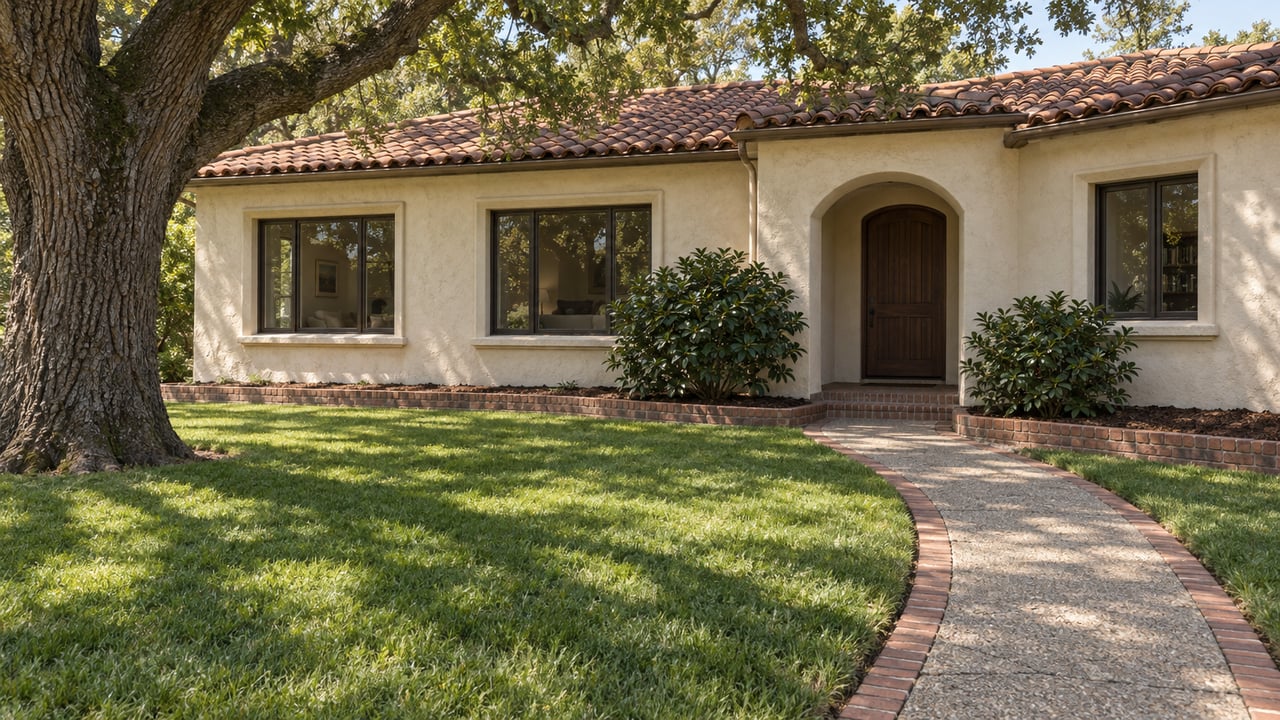
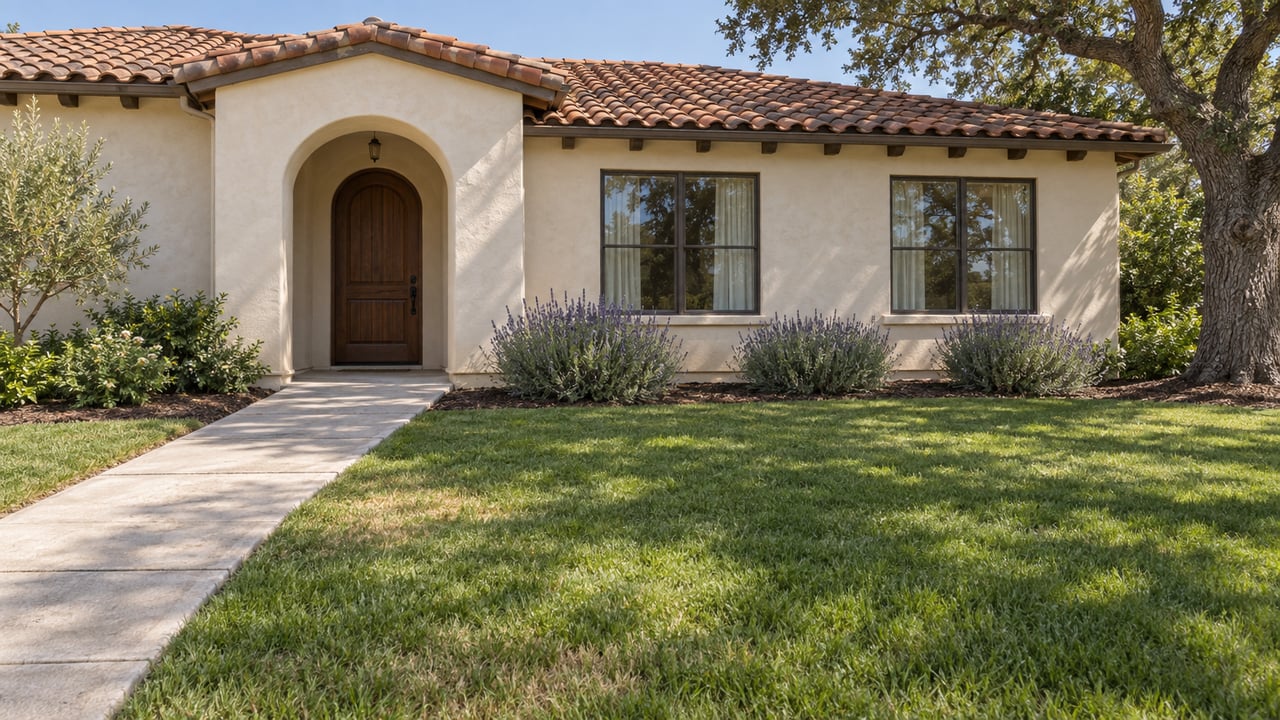
If you are shopping in Land Park, you should be ready for a housing stock that is older overall and full of variety. You may see original-period homes, renovated properties, limited infill construction, and a relatively small amount of attached inventory.
That mix is part of what gives the area character. It also means two homes at similar price points can feel very different once you look at layout, systems, lot size, and renovation quality.
The City of Sacramento describes much of the neighborhood as pre World War II in development pattern. In the broader planning area, South Land Park Hills Unit No. 7 stands out as a cohesive Eichler district built in 1955 and 1956, which shows just how much architectural variety exists in and around the area.
For you as a buyer, the key is not just finding a home you like on first impression. It is understanding how age, construction era, and past improvements affect long-term upkeep and future plans.
Why older-home due diligence matters
In Land Park, older homes are often the norm, not the exception. That means your inspection strategy matters just as much as your offer price.
The California Department of Real Estate advises buyers to pay close attention to electrical systems, plumbing, and structural integrity. It also recommends using qualified inspectors and making sure your offer includes any contingencies or special conditions you want, including inspection, loan, repair, pest, or home warranty terms where appropriate.
That guidance is especially relevant in a neighborhood where many homes were built long before modern building standards. A house can have charm and still need meaningful work, so it is smart to budget for future maintenance instead of using every available dollar just to win the bid.
As you tour homes, look beyond the finishes. Fresh paint and a stylish kitchen may be attractive, but they do not replace the need to understand the condition of core systems.
Key systems to review
Before you get too attached to a home, make sure your due diligence covers:
- Electrical condition
- Plumbing condition
- Structural issues
- Pest concerns if applicable
- Repair needs that may affect financing or insurance
- Title and escrow documents during the transaction
A thoughtful review now can help you avoid expensive surprises later.
Lead paint rules can affect older homes
Because so much of Land Park’s housing stock predates 1978, lead-based paint disclosures are an important part of the buying process. Federal rules require sellers and agents to disclose known lead hazards and provide the lead information pamphlet.
California guidance from the California Department of Public Health adds an important timing point. Buyers have 10 days to inspect or test for lead unless the parties agree otherwise.
For you, that means this is not a box to check at the last minute. If you are buying an older home, make sure you understand the disclosure package and the inspection window before removing contingencies.
Historic district rules may shape your plans
Some parts of Land Park and nearby areas include historic-district pockets. If you are thinking about exterior changes, additions, or major visible updates, this is something to verify early.
The City of Sacramento says historic-district plans include design standards and criteria that guide future development. Its preservation office advises buyers to confirm whether a property is a landmark, sits in a historic district, or is considered a contributing resource before making plans for exterior work.
This matters even if the house already looks move-in ready. If your long-term vision includes changing windows, expanding the footprint, or altering the façade, design review requirements could affect your timeline and options.
Buying a condo or townhome takes extra review
Attached housing can be a useful entry point into the broader Land Park area, but it comes with a different layer of due diligence. In the neighborhood core, attached inventory is scarce, so when one becomes available, it is worth looking closely at the ownership structure and monthly costs.
Under California Civil Code 4525, sellers in a common interest development must provide governing documents, financial documents, fee and assessment information, unresolved violations, rental restrictions, and other records, including board minutes if requested and the latest inspection report.
For you, this means HOA review is part of the purchase decision from the start. Monthly dues are only one piece of the picture. Budget strength, special assessments, rental limits, and unresolved issues can all affect affordability and flexibility.
What to review in an HOA package
If you are buying a condo or townhome, pay attention to:
- Monthly dues and current assessments
- Reserve and financial documents
- Governing documents and use rules
- Rental restrictions
- Unresolved violations
- Board minutes if requested
- The latest inspection report
A clean review package can be just as important as the price itself.
How to compete without overreaching
Land Park’s tight inventory and competitive conditions can make buyers feel pressure to move fast. Speed matters, but so does discipline.
Recent market data suggests a practical offer strategy starts with solid financing, a clear budget ceiling, and quick access to inspection resources. In a market where some homes receive multiple offers and sale-to-list ratios stay close to asking, preparation can make a meaningful difference.
That does not mean you should waive protections without fully understanding the risk. It means you should know what matters most to you before the right home appears.
A strong approach often includes:
- Getting your financing lined up early
- Setting a firm budget ceiling before touring
- Understanding which contingencies you need
- Lining up inspection professionals in advance
- Reviewing disclosures quickly and carefully
- Leaving room in your budget for post-closing maintenance
In a neighborhood with older homes, your winning strategy should balance competitiveness with common sense.
What smart buyers keep in mind
Land Park can be a great fit if you value established character, central location, and a housing stock with real personality. But it usually rewards buyers who are prepared, realistic, and patient.
You are not just buying square footage here. You are buying into a neighborhood with history, limited inventory, and homes that may require more careful review than a newer subdivision property.
If you go in with a clear budget, a strong financing plan, and a serious due diligence process, you put yourself in a much better position to buy with confidence. And in a competitive neighborhood like Land Park, confidence backed by preparation matters.
If you want help making sense of Land Park pricing, older-home red flags, or offer strategy, Pierre Daniel Viard can help you navigate the neighborhood with a local, research-driven approach.
FAQs
What should buyers know about Land Park home prices?
- Buyers should expect a competitive market with rough pricing that can range from the mid-$500,000s for smaller older single-family homes to $850,000 and above for larger updated or newer infill homes, with some attached homes in the broader area starting in the low $300,000s.
What should buyers inspect in older Land Park homes?
- Buyers should closely review electrical, plumbing, and structural condition, along with any pest issues, repair needs, and title and escrow documents.
What should buyers know about lead paint in Land Park?
- Because many homes were built before 1978, sellers must provide lead-related disclosures, and California guidance says buyers typically have 10 days to inspect or test unless another timeline is agreed to.
What should buyers know about historic districts in Land Park?
- Buyers should verify whether a property is a landmark, in a historic district, or a contributing resource before planning exterior changes, additions, or other visible updates.
What should buyers review before buying a Land Park condo or townhome?
- Buyers should review the HOA package carefully, including governing documents, financials, dues, assessments, rental restrictions, unresolved violations, board minutes if requested, and the latest inspection report.
What should buyers do to compete in the Land Park market?
- Buyers should prepare financing early, set a clear budget ceiling, review disclosures quickly, line up inspection resources, and leave room for maintenance after closing.