Two listings go into escrow the same week in McKinley Village. Same HOA. Same monthly dues. Same clubhouse, same pickleball courts, same community garden. One buyer's resale certificate arrives with a stamped structural engineer's report on the building's balconies. The other buyer's packet has no such report, and none is coming, because the law never required one for that building in the first place.
This isn't a paperwork mix-up. It's a split written into California's own condominium statute, and it runs straight through the middle of a single Sacramento HOA that most people assume treats every owner the same way.
McKinley Village was approved by the City of Sacramento in 2014 to subdivide roughly 49 acres into 384 lots, and the project was never built as one uniform product. Early marketing for the development described distinct floor plans with different outdoor spaces: some homes got only a balcony, others a covered patio, and a few got real yards. Alongside those came six-unit townhome buildings and, as current listings confirm, true multi-story condominium flats with private elevators and shared building structure. One HOA. Several legally distinct forms of ownership, all still active in today's resale market.
That distinction matters more in 2026 than it did a year ago, because of what California's balcony inspection law actually covers and what changed about it on January 1.
The Law That Skips Half the Community by Design
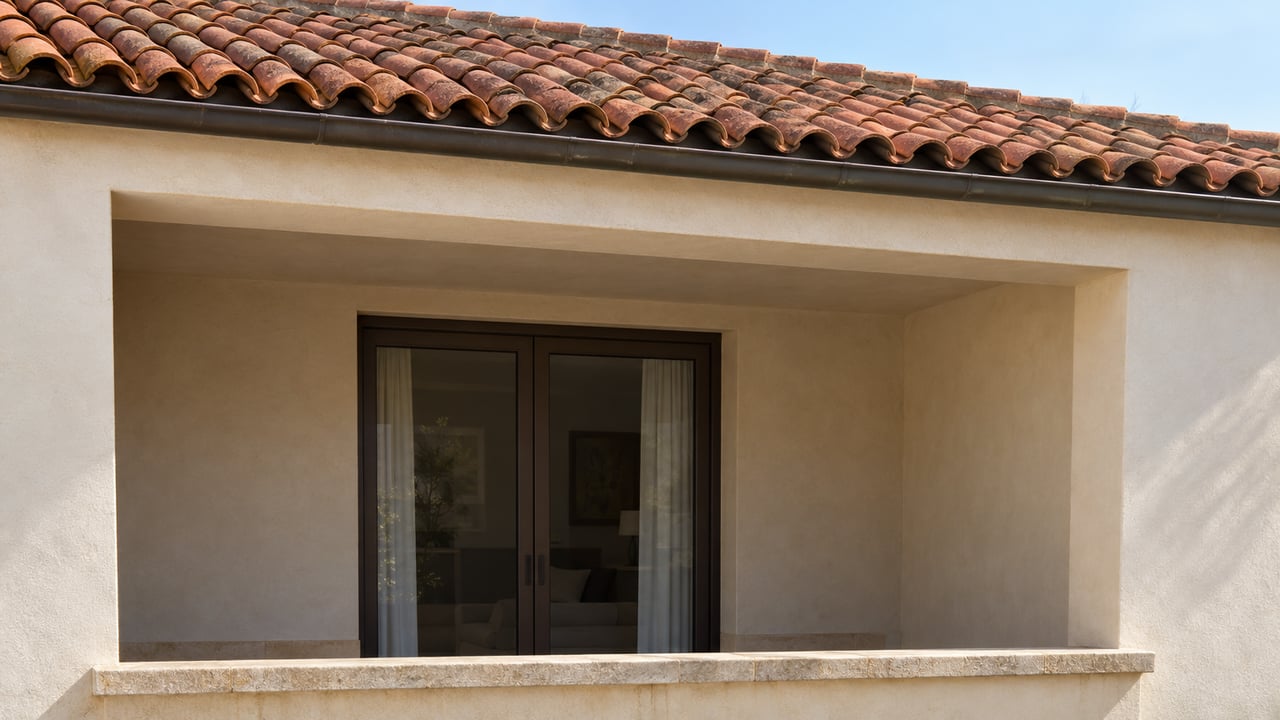
California Civil Code section 5551, better known as the Balcony Bill or SB 326, requires associations to inspect exterior elevated elements like balconies, decks, stairways and walkways whenever those elements are wood-supported, sit more than six feet above grade, and belong to a true condominium. The first inspection deadline was January 1, 2025, and it repeats on a nine-year cycle after that. Only a licensed architect or a licensed civil or structural engineer can perform it.
The part that trips people up is the word "condominium." Civil Code 5551 applies exclusively to condominium-form ownership, where a unit's legal boundary stops at the unfinished interior surfaces of its walls, ceilings and floors, which means the building's exterior structure, including its balconies, is owned in common by the association. It does not apply to planned developments, where an owner holds fee-simple title to the structure itself, even if that structure looks identical to a condo from the street and even if it has a balcony that looks exactly like the one next door.
So in a mixed community like McKinley Village, the same HOA can be legally obligated to inspect the balconies on its condo-flat buildings while having zero statutory obligation to inspect the balconies on its paired rowhomes, because ownership form, not appearance, is what the statute keys on.
Confusion about this law runs so deep that legal fact sheets published earlier this year have had to correct HOA boards that mixed up the January 1, 2025 condominium deadline with a separate January 1, 2026 deadline that applies only to rental apartment buildings under a different statute, SB 721. If HOA attorneys are getting that mixed up, a buyer comparing two McKinley Village listings has no reason to assume their resale packets should look the same.
What Changed on January 1, 2026
A new law, SB 410, took effect this January and folded the Civil Code 5551 inspection report directly into the standard resale disclosure package every California HOA must deliver under Civil Code section 4525. That packet, sometimes called the resale certificate, is what a seller's HOA management company has to hand over within ten days of a request, and it already covers fifteen categories of disclosure, from the association's budget to any unresolved CC&R violations.
As of this year, item eleven on that list is a copy of the most recent Section 5551 report. For a McKinley Village condo-flat owner, that means the report is now a standard, expected part of the closing paperwork, not an extra document a buyer has to chase down separately. For a rowhome or paired-home owner in the same community, there's nothing to attach, because the underlying law was never in scope for that building.
Here's how the split plays out across the two product types McKinley Village actually contains:
| McKinley Village Building Type | Ownership Form | Subject to Civil Code §5551? | EEE Report Required in Resale Packet (2026)? |
|---|---|---|---|
| Condo flats with shared structure (private-elevator units) | Condominium | Yes | Yes, per SB 410 |
| Paired rowhomes and fee-simple townhomes | Planned development | No | No |
Neither column is better or worse. It's simply two different sets of rules operating under one roofline of dues and one set of pool hours.
Why This Doesn't Show Up on a Price Comparison
A buyer scrolling through McKinley Village listings side by side sees square footage, bedroom count and asking price, not ownership classification. Nothing in a standard listing flags whether a specific building is a Civil Code 4125 condominium or a planned development parcel, and the practical consequence only surfaces once escrow opens and the resale certificate actually arrives.
That's also where the fiduciary exposure lives, and it isn't hypothetical. Unlike the apartment-focused SB 721, Civil Code 5551 carries no built-in daily fine for a missed deadline. But the statute's deadline of January 1, 2025 still applies to every qualifying condominium association, and the inspection is a standing obligation on a nine-year cycle. Insurers have taken notice as well, and in 2026 some master-policy carriers have started asking for documented compliance before renewing HOA coverage.
None of that touches the rowhome side of the same community, because the statute was never written to reach it.
What to Ask Before You Remove the HOA Contingency
- Confirm which Davis-Stirling ownership category applies to the specific building, not just the HOA as a whole. Ask the management company directly rather than assuming from the exterior.
- Request the full Civil Code 4525 resale certificate and check whether item eleven, the exterior elevated element report, is included or explicitly marked not applicable.
- If the building is condominium-form and no report exists, ask when the association plans to schedule one and how the cost will be assessed, since the first inspection deadline already passed for every qualifying association in the state.
- If the building is a rowhome or fee-simple product, the absence of a report is expected, but it's still worth checking the CC&Rs for who is responsible for maintaining the balcony or patio structure itself, since that obligation doesn't disappear just because the state inspection mandate doesn't apply.
A Few Quick Questions
Does every McKinley Village owner pay into the same HOA? Yes. Dues, amenities and governance are shared across the community. What differs is which state disclosure statute attaches to a given building's ownership form.
Is a missing balcony report always a red flag? Only if the building is legally a condominium under Civil Code 4125. For rowhome and planned-development owners, there's nothing missing, because the law was never in scope.
Where does this paperwork actually come from? The management company that administers the McKinley Village HOA produces the Civil Code 4525 resale certificate on request. Ask for it early enough to review the answer before any contingency deadline arrives.
If you're comparing a condo-flat listing against a rowhome listing in McKinley Village and want to know exactly which resale packet applies to the one you're considering, Caviard Realty Associates can pull the specific HOA documents for that building before you write the offer.