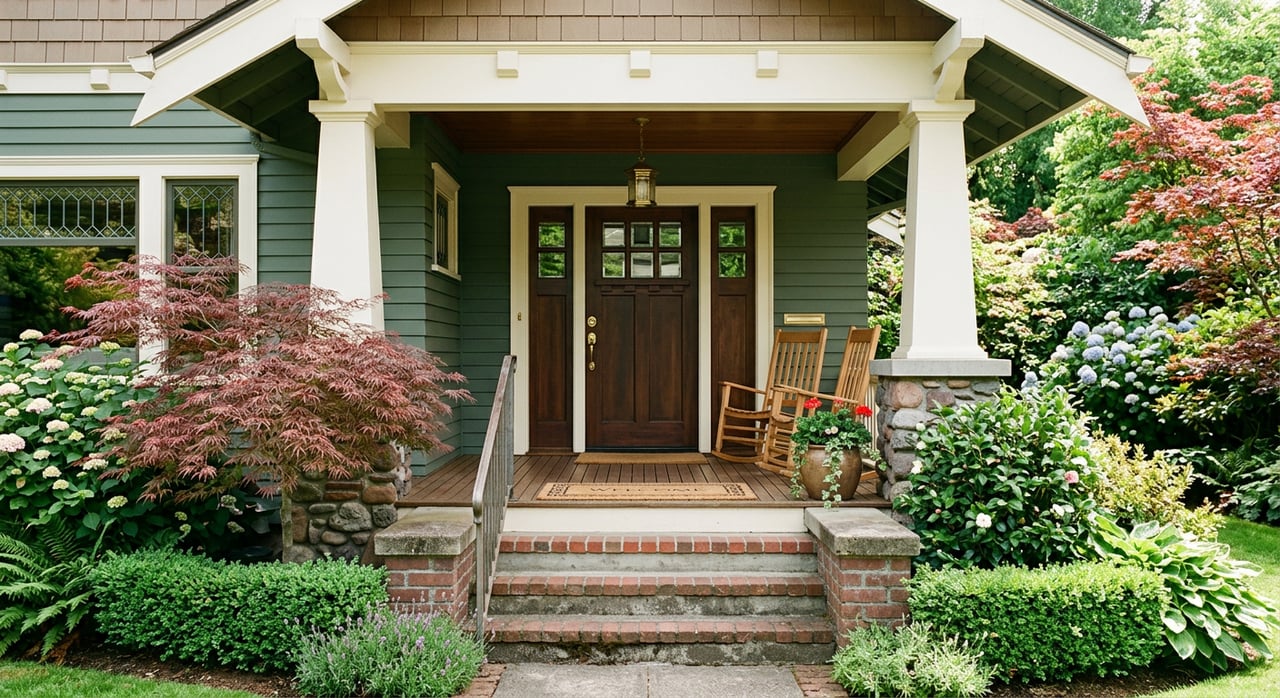
Listing an older East Sacramento bungalow or cottage soon? You already know the charm is a draw, but buyers will also scrutinize systems, permits, and disclosure details. With a clear plan, you can protect your timeline, reduce renegotiations, and showcase your home’s character. This guide walks you through required disclosures, the inspections that matter most, the updates that deliver the best return, and a practical prep timeline tailored to East Sacramento. Let’s dive in.
What buyers love in East Sacramento
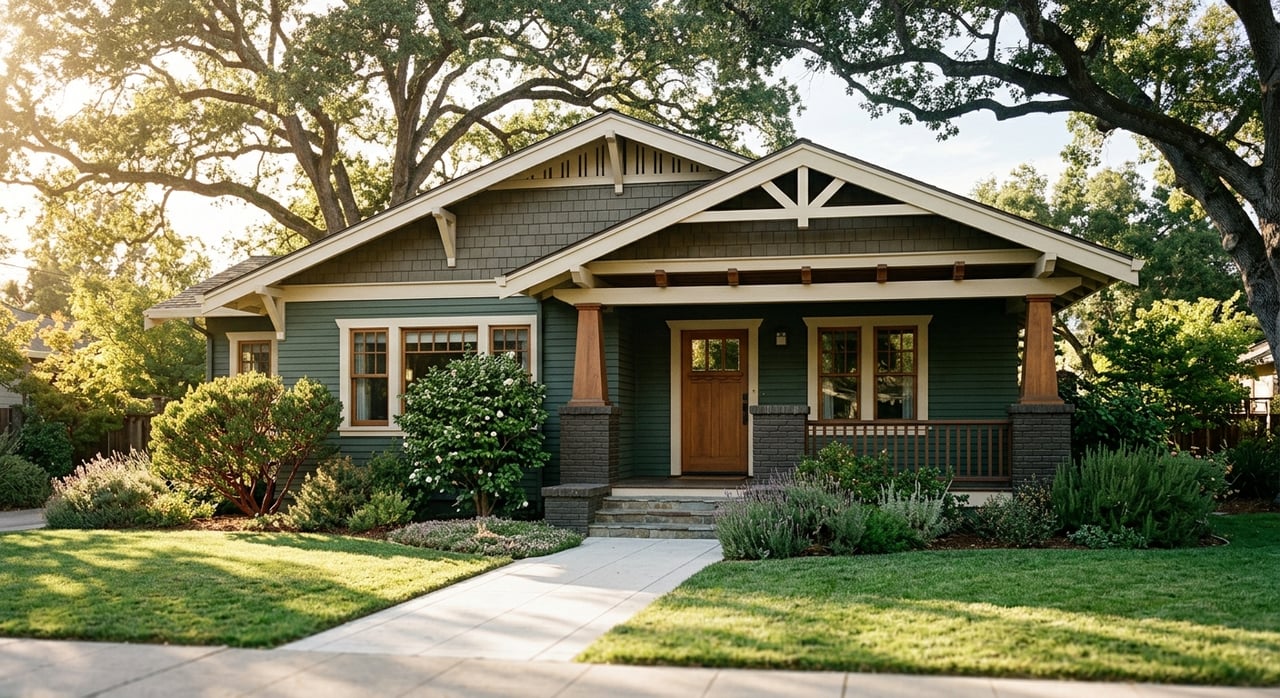
Buyers here look for preserved period details like porches, original millwork, and hardwood floors. They also value proximity to McKinley Park, Midtown, and downtown, along with the neighborhood’s walkability. Many homes are early 20th‑century streetcar‑suburb bungalows and custom homes, and the local planning program recognizes this historic context.
East Sacramento homes typically command a premium relative to the overall city. That premium still moves with broader market conditions, so verify current comparable sales on your block before finalizing a prep budget or list price. A data‑driven pricing discussion early on will help you decide whether to repair, credit, or disclose and sell as‑is.
Disclosures and permits you need
California requires several disclosures and records for resale. Organize these before you list to reduce delays and buyer rescissions.
- Transfer Disclosure Statement. Most 1–4 unit properties require a completed TDS under state law. It covers systems, structure, environmental conditions, and known issues. Provide it early to build trust. Review California’s TDS statute.
- Natural Hazard Disclosure. This report states whether the home lies in mapped hazard zones, such as flood or very high fire hazard severity. It can affect insurance and lending. See the CAR quick guide on NHD.
- Lead‑based paint disclosure. For homes built before 1978, provide the EPA/HUD lead pamphlet and disclose known lead hazards. Buyers get a 10‑day inspection option if they want it. Read the EPA’s lead disclosure requirements.
- Smoke and carbon‑monoxide devices. Confirm installation and operability per California rules, and be prepared to state compliance in writing.
- Pest and termite history. Disclose known past or active infestations. Many sellers order a pre‑listing wood‑destroying organism report to resolve issues up front.
- Permits and unpermitted work. Collect records for improvements that touched structure, electrical, plumbing, or mechanical systems. If you need permits, start early. Check the City of Sacramento’s permit requirements.
- Historic status and incentives. Some properties fall within recognized preservation contexts, which can trigger design review for certain exterior changes. Owners of qualified properties may also benefit from Mills Act tax incentives for approved preservation work. Review the City’s Mills Act program.
Inspect and document these systems first
Focus first on safety items that can block financing or insurance. Then address high‑impact items that improve photos and in‑person showings.
Electrical and panels
Older homes can have legacy panels or wiring that inspectors and insurers flag. Federal Pacific or similar panels frequently draw safety concerns, and buyers may ask for a licensed electrician’s evaluation or replacement. Document prior upgrades, breaker types, and permits. See background on panel safety concerns.
Plumbing and water supply
Galvanized supply lines, older drains, or visible leaks can spook buyers. Address slow drains or leaks and document repairs. Confirm the water heater’s age and that required bracing or strapping is in place where applicable.
Foundation and crawlspace
On raised foundations, look for signs of settlement, moisture, or damaged framing. If concerns arise, a structural engineer’s letter can reduce renegotiation risk. Keep any termite or WDO repair invoices with your disclosure packet.
Roof, gutters, and drainage
A sound roof is a classic deal‑maker. If you replace or repair the roof, include receipts and permit sign‑offs. Make sure gutters and downspouts discharge away from the foundation.
Wood‑destroying organisms
A current WDO report clears a common contingency and can satisfy many lenders. If active infestation is found, treatment and a completion certificate typically speed closing. Learn what WDO reports cover.
Lead, asbestos, and other hazards
You must disclose known lead and asbestos. You are not required to test, but if you have reports, include them. For high‑risk work, use licensed specialists who can pull permits and document safe practices.
Moisture and mold
If the home had past water events, gather remediation invoices and any assessments. Buyers often ask about moisture history, and documentation signals proactive ownership.
Invest where it pays off
Smart preparation balances safety fixes with visible improvements that photograph beautifully and resonate with East Sacramento buyers.
Safety and loan blockers first
- Correct hazardous electrical conditions and replace problematic panels when an inspector or insurer requires it. Keep the electrician’s report and permit receipts. Reference panel safety background.
- Treat active termites or fungus and complete repairs with documentation. See practical WDO guidance.
- Address roof leaks or failing sections and confirm final inspections where permits are required.
- Verify smoke and CO detectors are installed and working. Include this assurance in your disclosures.
Mid‑cost, high‑impact updates
Regional Cost vs. Value data and industry research point to several standouts for the Pacific region:
- Fresh interior paint in a light, neutral palette. It makes rooms look bigger and brighter and helps listing photos stand out.
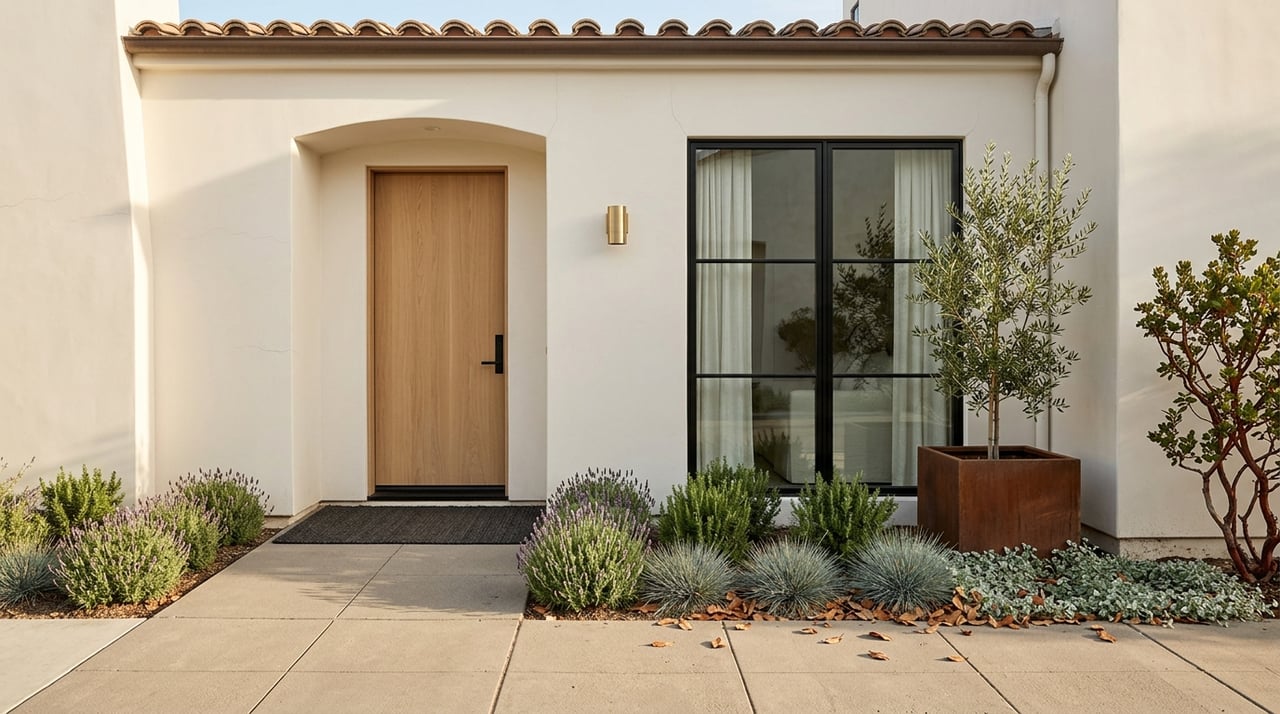
- Curb appeal refresh. Front door replacement, a clean garage door, and tidy landscaping often recoup a high share of cost at resale. See Pacific region Cost vs. Value data.
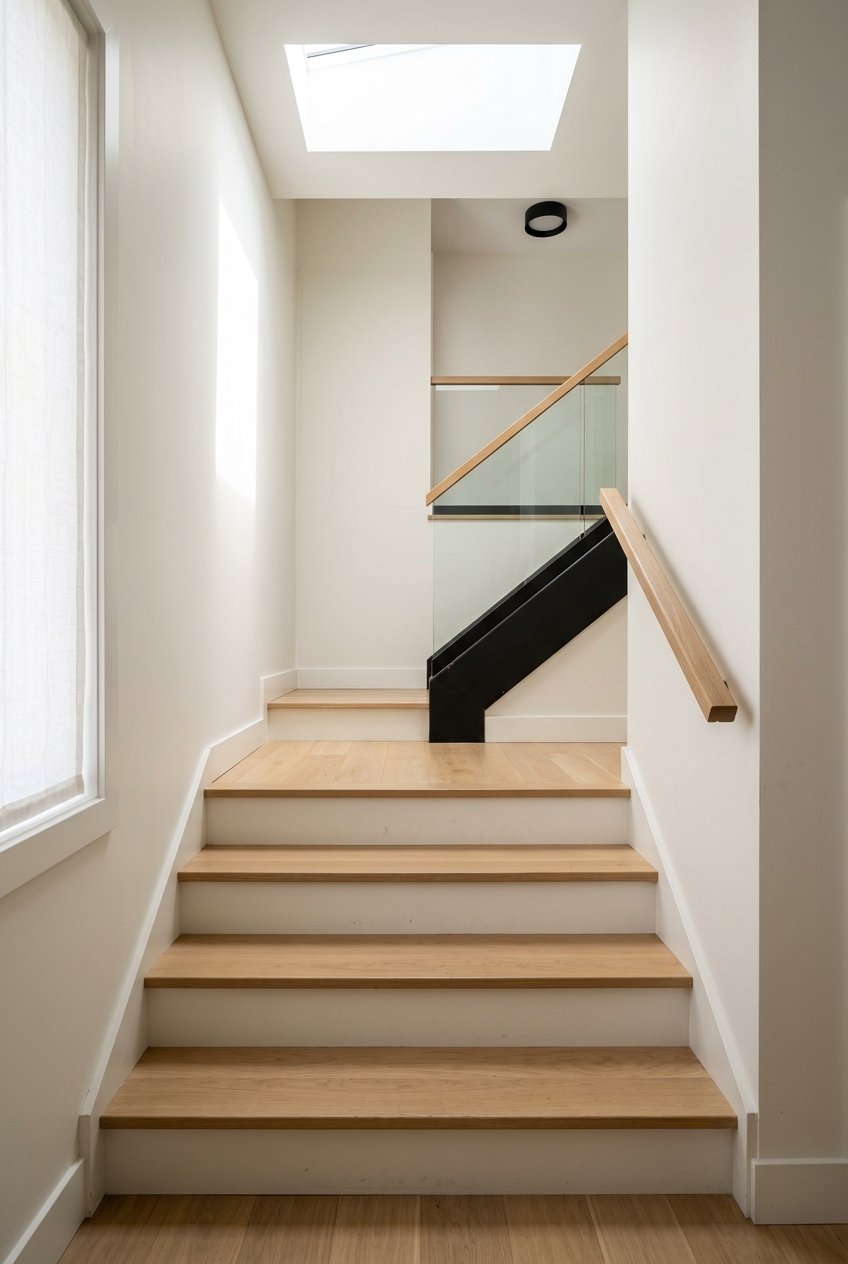
- Refinish or expose hardwood floors. In older homes, floors are a top visual feature buyers remember.
- Minor kitchen refresh. Think painted or refaced cabinets, updated counters, modern lighting, and a few new appliances. The Pacific region often shows strong recapture for minor kitchen projects. Review project returns in the Pacific region.
Projects to skip before listing
Full luxury gut remodels usually do not return dollar‑for‑dollar at sale unless local comps support them. Confirm market direction and buyer expectations on your block before green‑lighting a large project.
Stage and market the character
Your goal is to showcase original details while signaling that the home has been well cared for.
- Highlight defining elements. Built‑ins, millwork, original windows in good condition, and porches should be visible in listing photos. For visible changes on significant historic fabric, follow the Secretary of the Interior’s rehabilitation guidance. Explore the Standards for Rehabilitation.
- Keep staging neutral and scaled. Use furnishings that show room purpose and size without blocking trim or sightlines. Rugs can frame original floors, and a few warm accents invite buyers to linger. Research shows that staging reduces time on market and can boost offer prices. See NAR’s staging findings.
- Market copy that blends story and systems. Lead with the era and style, then note preserved features and recent system upgrades. Provide a clean disclosures packet to serious buyers to speed decisions.
Six‑week prep timeline
Use this as a flexible framework. Permits or historic review can extend timelines, so build in buffer where needed.
- Week 0: Strategy and pricing. Meet with your listing agent to review hyperlocal comps and align on budget, timing, and go‑to‑market plan.
- Weeks 0–2: Pre‑listing inspections. Order a general home inspection and a WDO report. If foundation concerns exist, add a structural engineer letter.
- Weeks 1–3: Triage and schedule. Prioritize safety and financing blockers first. Get bids from licensed electricians, roofers, and other specialists. Confirm permit needs with the City and start applications early. Check required permits with the City.
- Weeks 2–4: Cosmetic wins. Complete paint, curb appeal, lighting, and simple kitchen or bath refreshes. Assemble the TDS, NHD, and the lead packet if pre‑1978. Review EPA lead disclosure rules.
- Weeks 3–6: Wrap repairs and documentation. Finish any permitted work and obtain final sign‑offs. Gather receipts, inspection reports, and WDO treatment certificates for your disclosure packet.
Quick seller checklist
- Completed Transfer Disclosure Statement. Confirm TDS requirements.
- Natural Hazard Disclosure report. Review NHD basics.
- Lead pamphlet and disclosure for pre‑1978 homes. See EPA guidance.
- Recent general inspection and WDO report, plus any treatment or completion certificates. Understand WDO reporting.
- Contractor invoices and permit receipts for completed work. Check City permit guidance.
- Historic designation documents or Mills Act paperwork if applicable. Learn about the Mills Act.
Ready to list with confidence
When you pair preserved character with safe, documented systems and photo‑friendly updates, you give East Sacramento buyers the best of both worlds. You also make your sale smoother by answering key questions up front. If you want help sequencing repairs, navigating permits, and presenting your home with premium marketing, connect with Pierre Daniel Viard for a neighborhood consultation.
FAQs
What repairs matter most for older East Sacramento homes?
- Focus on safety and financing items first, including electrical hazards or legacy panels, active termite issues, and roof leaks, then move to cosmetic updates with high visual impact.
How do permits work in Sacramento for pre‑listing repairs?
- Structural, electrical, plumbing, mechanical, and some re‑roofing work typically require permits, so check scope early and use the City’s guidance to avoid delays at closing.
Do I need a termite inspection before listing my older home?
- It is not always required, but a current WDO report can reduce uncertainty, speed negotiations, and satisfy many lenders if treatment or repairs are needed.
Which updates deliver the best ROI before selling?
- In the Pacific region, curb appeal projects, fresh interior paint, hardwood refinishing, and minor kitchen refreshes often show strong cost recapture compared to major remodels.
What if my home has historic status or notable period features?
- Confirm designation status, follow recognized rehabilitation standards for visible changes, and explore Mills Act incentives for qualifying preservation work before exterior updates.